Who to Call for a Plumbing Emergency? Smart Steps Now
Table of Contents
- Introduction: Why Quick Action Matters
- A Short Story: The Night the Pipe Burst
- What Counts as a True Plumbing Emergency?
- Who to Call First (and When to Call 911)
- Immediate Steps Before the Plumber Arrives
- Choosing the Right Plumber: Checklist and Questions
- Apartment, Condo, or House? Who’s Responsible
- Costs, Insurance, and Documentation Tips
- Common Mistakes to Avoid in a Plumbing Emergency
- Prevention and Preparedness: Your Home Playbook
- Frequently Asked Questions
- Conclusion: You’ve Got This
- Call to Action
- Helpful Resources and Links
—
Introduction: Why Quick Action Matters
When panic kicks in, you wonder who to call for a plumbing emergency. That question matters because minutes count. Quick, smart action can save you thousands and protect your home.
Water moves fast. It seeps under flooring, swells cabinets, and feeds mold. The right call and the first few steps can turn a potential disaster into a manageable mess.
In this guide, you’ll learn exactly who to call, how to stabilize the situation, and how to avoid common mistakes. Keep this open while you act. You’ll feel calmer and more in control.
A Short Story: The Night the Pipe Burst
At 11:38 p.m., Emma heard it the hiss, then a crack. She flipped the kitchen light and saw a thin spray misting the ceiling. Her heart raced. She grabbed towels, but the water didn’t care about towels.
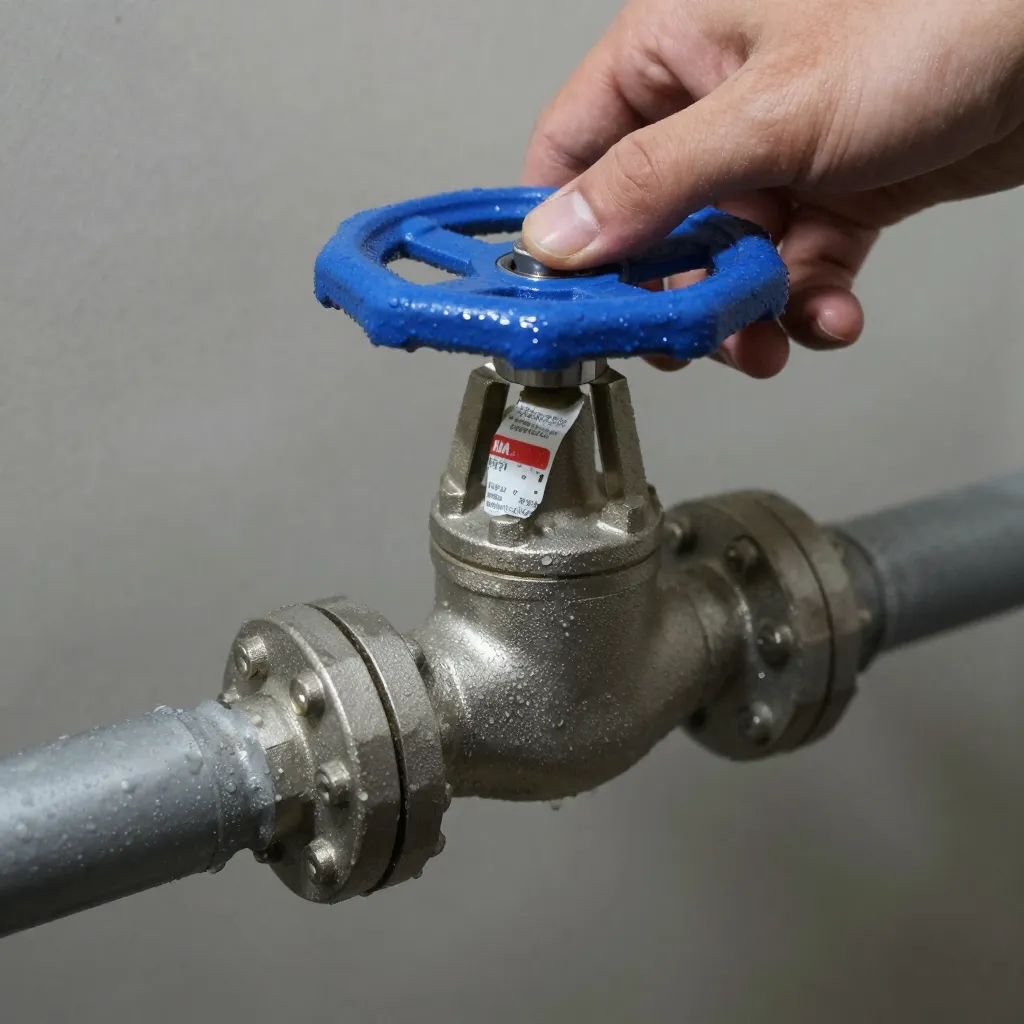
She remembered a tip from a friend: find the main shutoff. Shoes on, she jogged to the basement, phone flashlight bouncing. The red handled valve was tight, but she turned it clockwise until it wouldn’t turn anymore. The hiss fell silent. Relief.
Emma googled “24/7 emergency plumber near me,” but paused. The first ad looked promising, yet had few reviews. She scrolled for a company with strong ratings, license info, and clear emergency fees. One stood out: live dispatch, arrival within the hour. She called.
While waiting, she moved appliances away from the water, opened a window to vent humidity, and took photos of the damage. When the plumber arrived, the fix was clean and quick. Later, her insurance adjuster thanked her for the photos and the fast shutoff. What could’ve been a disaster turned into a long night but not a nightmare.
What Counts as a True Plumbing Emergency?
Not every leak is a five-alarm situation, but some demand immediate help. If you’re unsure, err on the side of caution and make the right call.
Common plumbing emergencies:
- Burst or rapidly leaking pipes (especially near ceilings or electrical outlets)
- Overflowing toilets you can’t stop
- Sewage backups or foul-smelling water returning through drains
- No water supply to the whole house (especially in extreme temperatures)
- Gas line issues related to plumbing appliances (smell of gas or hissing sound—leave immediately)
- Leaks near electrical systems or appliances
Situations that can usually wait a few hours (but still need attention):
- Slow drips from faucets or under-sink pipes
- Hot water issues that aren’t dangerous (e.g., lukewarm water)
- A single clogged sink if there’s no sewage backup
Here’s the rule: if water is actively damaging property, if sewage is involved, or if safety is at risk, treat it as an emergency.
Who to Call First (and When to Call 911)
The first call depends on the hazard. Here’s a clear breakdown so you don’t lose time.
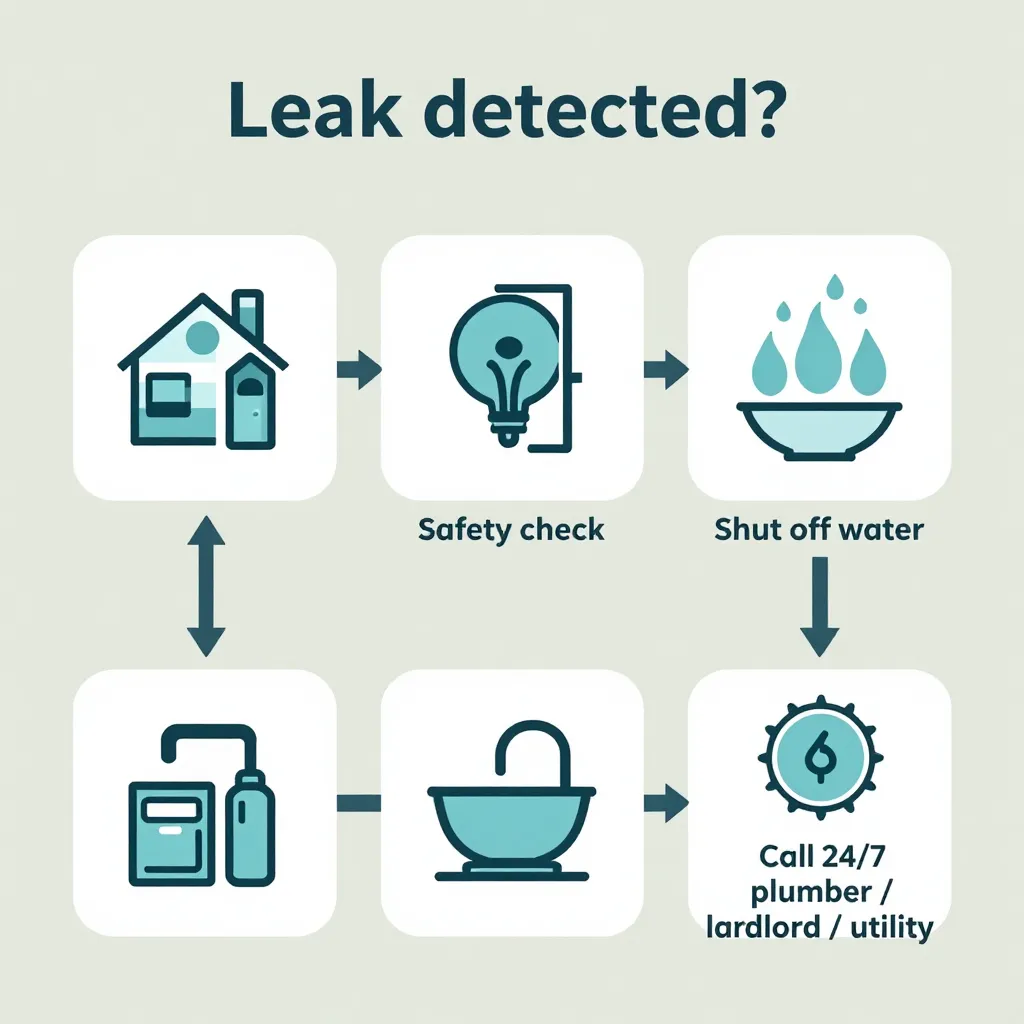
1) Life-threatening danger: Call 911
- If a ceiling is collapsing, water is near downed lines, or you smell gas, get out and call 911.
- For gas smells or suspected leaks, also call your gas utility’s emergency line. Do not use electronics inside the house.
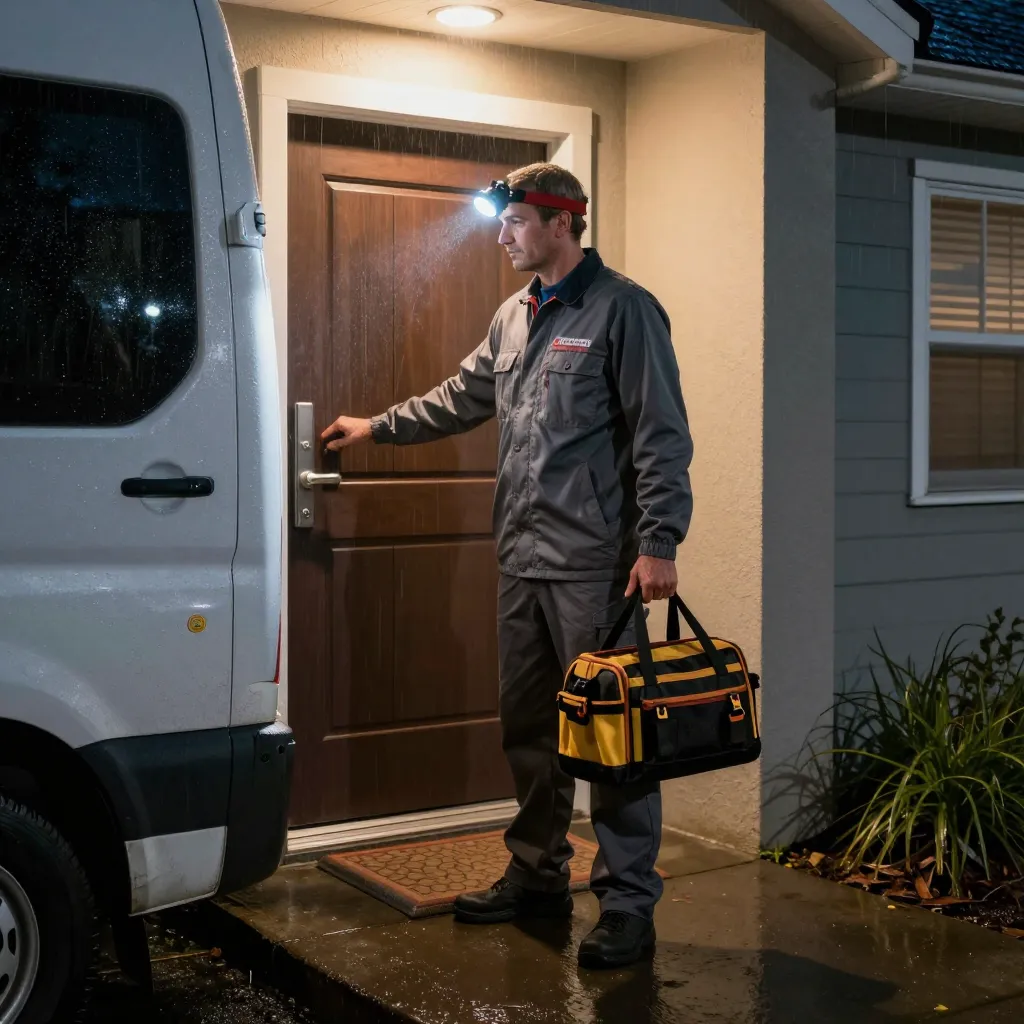
2) Active water leak or burst pipe: Call a 24/7 licensed emergency plumber
- Search “24/7 emergency plumber” with your city.
- Look for license number, real customer reviews, and an estimated ETA.
- While calling, shut off the main water supply.
3) Sewage backup or main drain clog: Call a licensed emergency plumber
- If your city offers a sewer department hotline (often via 311), call them too especially if you suspect a city main issue.
4) No water to the entire home
- First check with your water utility for outages.
- If there’s no reported outage, call a plumber.
5) If you rent: Call your landlord or property manager immediately
- Landlords often have preferred emergency vendors.
- If you can’t reach them and damage is worsening, document your attempts and call a licensed emergency plumber.
6) If you’re part of an HOA or condo association
- Notify the HOA/management right away; they may be responsible for certain lines and have on-call vendors.
Immediate Steps Before the Plumber Arrives
Quick actions can reduce damage and make the repair cheaper and simpler.
- Shut off the water: Turn the main valve clockwise until it stops. For isolated fixtures, use the local shutoff under the sink or behind the toilet.
- Kill power if needed: If water is near outlets or appliances, turn off power to that area at the breaker. Safety first.
- Contain and redirect: Use buckets, towels, and pans. Place aluminum foil under furniture legs to prevent stains.
- Ventilate: Open windows and run fans to reduce humidity and mold risk.
- Photograph everything: Take wide shots and close-ups. Keep receipts later for insurance.
- Clear access: Move items from under sinks and around the work area.
- Do a quick sweep for other leaks: Check other fixtures, ceilings below the leak, and the water heater.
Pro tip: Keep a simple emergency kit adjustable wrench, plumber’s tape (PTFE), heavy-duty towels, flashlight, and a wet/dry vacuum if you have one.
Choosing the Right Plumber: Checklist and Questions
When the pressure’s on, it’s easy to pick the first number you see. A few extra minutes can protect your wallet and your home.
What to look for:
- 24/7 live answering or rapid callback
- License and insurance clearly listed
- Real reviews with details (look for mentions of emergency response time)
- Transparent emergency fees (after-hours or holiday rates)
- Upfront inspection and clear repair options
- Warranties or guarantees on parts and labor
Questions to ask on the phone:
- “What’s your typical ETA for my area tonight?”
- “Is there an emergency/after hours fee? What’s the minimum charge?”
- “Are your plumbers licensed and insured? What’s your license number?”
- “Do you carry common parts on the truck for this issue?”
- “Can you walk me through any steps to reduce damage before you arrive?”
Red flags:
- No license info, or vague answers about credentials
- Refusal to provide fee structure
- Pushy upsells on the phone before inspection
- A lot of generic, short reviews with no detail
Apartment, Condo, or House? Who’s Responsible
Responsibility can change based on where you live and what failed.
For renters:
- Call your landlord or property manager first text and email for a timestamped record.
- If you can’t reach them, call an emergency plumber and document everything. Check your lease for emergency repairs policy.
- Renters insurance may cover your damaged belongings, but not the building’s plumbing.
For condo owners:
- Common lines (e.g., risers, stacks) may be the HOA’s responsibility.
- Your unit’s internal pipes are usually your responsibility.
- Call your management office or 24/7 HOA line for guidance.
For homeowners:
- Almost all interior plumbing is yours to handle.
- City lines (beyond your property line) are typically the utility’s responsibility call them if you suspect a main issue.
Tip: Keep management and utility emergency numbers saved in your phone. It’s hard to search while water is pooling under your feet.
Costs, Insurance, and Documentation Tips
Nobody loves surprise bills. You can minimize them by staying organized.
Typical emergency costs (ranges vary by region):
- Emergency service call fee: $75–$250 (after-hours rates may be higher)
- Hourly labor: $90–$250+
- Burst pipe repair: $150–$900+ depending on location and pipe type
- Drain clearing: $150–$500+, more if sewer line camera inspection is needed
Smart documentation:
- Save photos and videos from the moment you discover the problem.
- Save receipts for all services and materials (fans, dehumidifiers, cleanup supplies).
- Write a simple timeline: when you noticed the issue, when you shut off water, who you called, and when they arrived.
Insurance basics:
- Homeowners insurance often covers sudden, accidental water damage (like a burst pipe), but may exclude long term leaks or poor maintenance.
- Most policies don’t cover the cost to fix the failed part, only the resulting damage.
- If sewage backup coverage isn’t in your policy, consider adding it for peace of mind.
Common Mistakes to Avoid in a Plumbing Emergency
When adrenaline spikes, avoid these traps:
- Waiting it out: Hoping it stops on its own can multiply damage.
- Not shutting off water: It’s the fastest way to stop damage.
- DIY beyond your skill: Quick fixes with the wrong materials can cause bigger failures.
- Ignoring safety: Don’t stand in water with live electricity or gas leaks.
- Putting off documentation: Take photos right away. You’ll need them later.
- Calling a handyman for emergencies: Emergencies need licensed pros with the right tools and parts on hand.
Prevention and Preparedness: Your Home Playbook
A little prep turns a potential disaster into a hiccup.
Make a home water map:
- Find and label your main shutoff valve (and show your family where it is).
- Note shutoffs for sinks, toilets, and the water heater.
Create a quick-call list on your phone:
- 24/7 emergency plumber (with license number noted)
- Water utility emergency line
- Gas utility emergency line
- Property manager or landlord
- Insurance claims hotline
Build a simple go-bag for leaks:
- Adjustable wrench
- Plumber’s tape (PTFE)
- Heavy duty towels and rags
- Duct tape and zip ties
- Flashlight and spare batteries
- Disposable gloves
- Wet/dry vacuum if possible
Seasonal maintenance to prevent surprises:
- Winterize exterior hose bibs; install frost free spigots if needed.
- Insulate pipes in unheated spaces (garage, crawlspace, attic).
- Check supply lines on toilets, sinks, and appliances annually.
- Flush your water heater and test the T&P valve (or have a pro do it).
- Install leak detectors with alarms, or smart leak sensors that alert your phone.
Frequently Asked Questions
Who do I call first during a plumbing emergency?
If there’s danger to life or property, call 911. Otherwise, call a licensed 24/7 emergency plumber, and if you rent, contact your landlord or property manager immediately. Shut off the main water valve while you call.
Should I call a plumber or the city for a sewer backup?
Start with a licensed plumber to stop damage fast. If you suspect the issue is in the city’s main line or neighbors are affected, also call your city’s sewer hotline (often via 311) to report it and check for municipal responsibility.
What if I smell gas near a water heater?
Leave the building immediately and call 911 or your gas utility’s emergency line from outside. Don’t use switches or electronics inside. After the area is safe, a licensed plumber or gas technician can repair the issue.
How can I reduce the cost of an emergency visit?
Shut off the water right away to limit damage and time on site. Clear access to the work area, document the issue, and ask for transparent pricing before the technician starts. Consider maintenance plans to catch problems early.
Is a slow leak considered an emergency?
Often it isn’t, but it can become one if it threatens electrical systems or causes ceiling sagging or mold. If in doubt, shut off water to that fixture and call a plumber for same-day advice. Don’t ignore leaks for days they compound damage over time.
Conclusion: You’ve Got This
When you’re panicked and wondering who to call for a plumbing emergency, remember: prioritize safety, shut off water, and call a licensed 24/7 plumber. Document everything, notify your landlord or HOA if applicable, and take small steps to contain the mess.
Emergencies are chaotic, but you’re not powerless. With the right steps and the right pro, you’ll move from crisis to cleanup quickly and prevent a repeat.
Call to Action
Need help now? Save a reputable 24/7 plumber’s number in your phone before you need it. If you’re in the middle of a leak, shut off your main valve and call a licensed emergency plumber right away.

Helpful Resources and Links
- [LINK: Emergency plumbing safety checklist -> https://www.ready.gov/kit]
- [LINK: Find your local water utility emergency line -> https://www.epa.gov/waterdata]
- [LINK: Understand homeowners insurance and water damage -> https://www.iii.org/article/water-damage-and-insurance]
- [LINK: What a main water shutoff valve looks like -> https://en.wikipedia.org/wiki/Stopcock]