What Is Considered a Plumbing Emergency?
When water is rushing where it shouldn’t, every minute counts. So, what is considered a plumbing emergency? In short, it’s any plumbing issue that risks major water damage, poses a health hazard, compromises your home’s safety, or leaves you without essential services like clean water or safe drainage.
Table of Contents
- [What Is a Plumbing Emergency? (Quick Definition)](#what-is-a-plumbing-emergency-quick-definition)
- [A Short Story: The Night the Ceiling Cried](#a-short-story-the-night-the-ceiling-cried)
- [How to Tell If It’s an Emergency or Can Wait](#how-to-tell-if-its-an-emergency-or-can-wait)
- [Common Plumbing Emergencies (And What To Do First)](#common-plumbing-emergencies-and-what-to-do-first)
- [What’s Usually Not an Emergency](#whats-usually-not-an-emergency)
- [Immediate Steps Before the Plumber Arrives](#immediate-steps-before-the-plumber-arrives)
- [Costs, Response Time, and What to Expect](#costs-response-time-and-what-to-expect)
- [Prevent It: Maintenance, Tools, and Simple Habits](#prevent-it-maintenance-tools-and-simple-habits)
- [How to Choose a Reliable Emergency Plumber](#how-to-choose-a-reliable-emergency-plumber)
- [Frequently Asked Questions About Plumbing Emergencies](#frequently-asked-questions-about-plumbing-emergencies)
- [Conclusion: Don’t Panic—Act Fast and Smart](#conclusion-dont-panicact-fast-and-smart)
- [Helpful Links & Resources](#helpful-links–resources)
What Is a Plumbing Emergency? (Quick Definition)
A plumbing emergency is a situation that can cause immediate property damage, create a health or safety risk, or prevent basic household functions like safe water supply and drainage. If waiting will likely make the problem worse, it’s an emergency.
Here’s a simple rule of thumb: If water is actively leaking, sewage is backing up, gas is suspected, or you have no usable water, call an emergency plumber.
Common emergency triggers include:
- A burst pipe or major, active leak
- Sewage backup or overflowing toilet with waste
- No running water in the home
- A leaking water heater or signs of tank failure
- Frozen pipes (especially if they’ve burst)
- Sump pump failure during storms
- Suspected gas leak involving gas water heaters or gas lines (contact your utility first)
A Short Story: The Night the Ceiling Cried
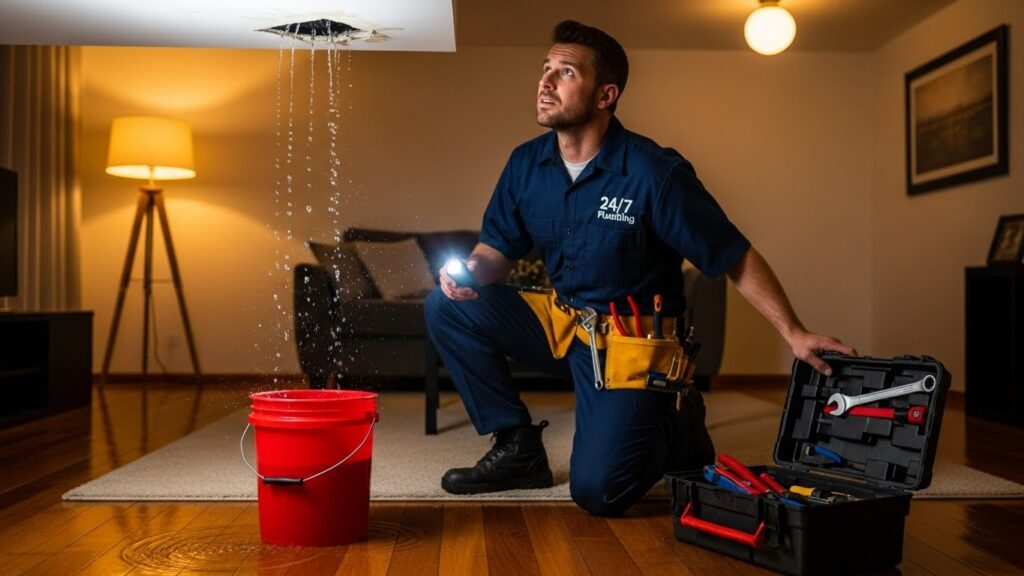
It was a quiet Sunday evening. You’d just poured tea and picked a show. Then you heard it—that slow, steady pat, pat, pat. You looked up. A brown bubble on the ceiling swelled like a water balloon. Your stomach dropped.
In the kitchen, the faucet was off. The dishwasher sat silent. Still, the patter grew louder. You grabbed a bowl, then a bucket. Within minutes, one bucket became two. It felt like the house was breathing through the ceiling.
You found the water main by the curb shutoff and the valve in the basement. Your hands shook as you turned it clockwise. Everything went still. The leak slowed; the panic didn’t.
On the phone, the plumber’s dispatcher spoke calmly. “You did the right thing. Keep the power off in that ceiling zone. We’ll be there.” It took less than an hour for a tech to arrive. He cut a small inspection hole, fixed a split supply line, and bled the air from the system. By midnight, you had order again.
You learned three things that night: every home has weak spots, quick action matters, and knowing your shut-off valve is worth its weight in gold.
How to Tell If It’s an Emergency or Can Wait
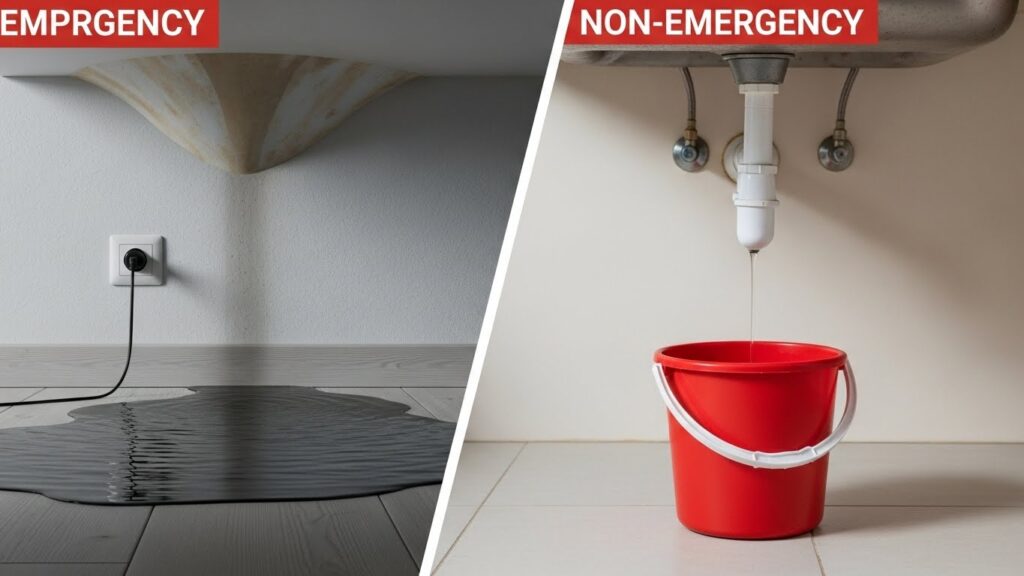
Not every leak is a 2 a.m. crisis. Use this checklist to decide:
Ask yourself the 5 emergency questions:
1) Is water or sewage actively escaping and hard to control?
2) Is there a risk of ceiling collapse, electrical contact, or structural damage?
3) Is there a health risk (sewage, mold-prone soaking, contaminated water)?
4) Has your home lost essential service (no water, no drainage, no hot water in winter climates)?
5) Will waiting several hours likely make the problem much worse or costlier?
If you answered “yes” to two or more, treat it as an emergency.
Warning signs it can’t wait:
- Ceiling bulges, rapid dripping, or pooled water near outlets
- Multiple drains gurgling or sewage odor from tubs and showers
- Water heater leaking from the tank or safety valve discharging constantly
- Frozen pipes with no water flow and visible splitting
- Sump pump not running during heavy rain with rising water
When it can usually wait:
- A slow, contained drip you can catch in a bucket
- A single slow drain with no sewage smell
- A running toilet that isn’t overflowing
- A minor faucet leak that can be shut off at the fixture valve
Remember: if you’re unsure, shut off the water and call a pro for advice. Most reputable plumbers will help you triage over the phone.
Common Plumbing Emergencies (And What To Do First)
Burst or Majorly Leaking Pipe
Signs: Sudden spray, hissing, or visible water soaking walls, floors, or ceilings. You may hear water when no fixtures are running.
What to do now:
- Shut off the main water valve immediately.
- Flip breakers to any wet areas to avoid electrical hazards.
- Open lowest-level faucets to drain remaining water pressure.
- Contain with buckets and towels; move valuables.
- Call an emergency plumber; take photos for insurance.
Why it’s an emergency: Uncontrolled water can cause rapid structural damage, ruin finishes, and invite mold.
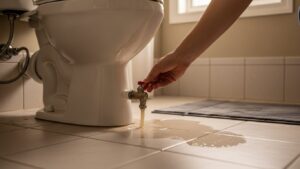
Sewer Backup or Overflowing Toilet with Waste
Signs: Dark, foul-smelling water backing up into tubs, showers, or toilets. Multiple drains gurgle or bubble when you flush.
What to do now:
- Stop using all water (no flushing, no sinks, no laundry).
- If safe, shut off the toilet’s supply valve.
- Avoid contact with wastewater; wear gloves.
- Call an emergency plumber; a sewer auger or hydro-jet may be needed.
Why it’s an emergency: Sewage is a serious health hazard, and contamination spreads quickly.
No Running Water
Signs: Taps run dry; appliances won’t fill; possibly related to frozen pipes or a main line issue.
What to do now:
- Check with neighbors and your water provider for outages.
- Inspect your main shutoff to ensure it’s open.
- In freezing weather, look for frost or bulges on exposed pipes.
- If unsafe or unknown cause, call a pro.
Why it’s an emergency: Lack of potable water is a health and safety issue, especially for children, elders, and medical needs.
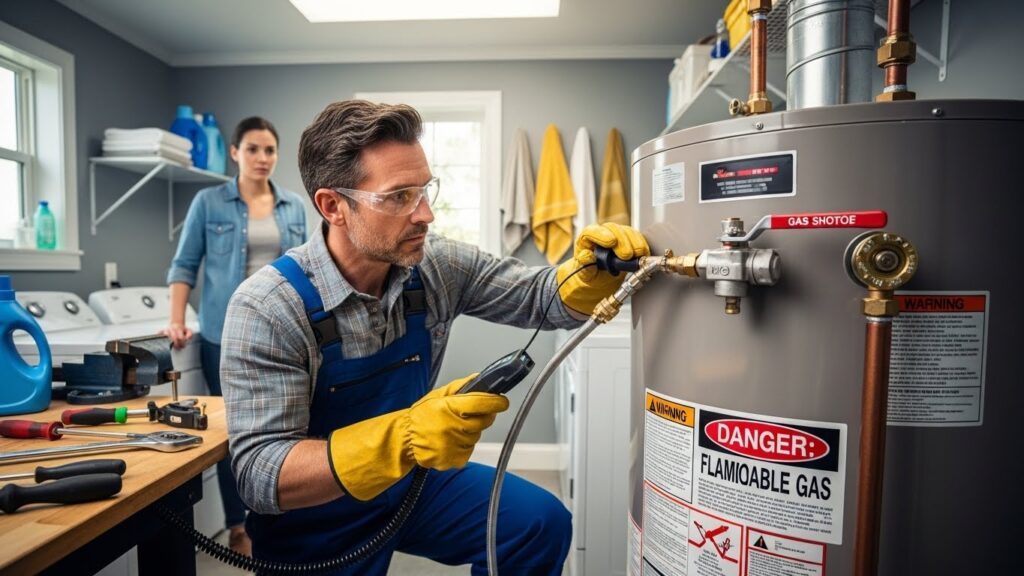
Water Heater Leaking or Failing Dangerously
Signs: Puddle under the tank, rust streaks, rumbling noises, or a constantly dripping temperature and pressure (T&P) relief valve. Scalding or no hot water.
What to do now:
- Turn off the water heater’s cold supply valve.
- Shut off power: switch off the breaker for electric; turn gas to “pilot”/off for gas units.
- If the T&P valve is discharging, keep a safe distance and call a pro.
Why it’s an emergency: Water damage risk, scalding, or in rare cases tank rupture.
Frozen or Burst Pipes (Cold Climates)
Signs: Little to no water flow, frost on pipes, or dampness when thawing begins.
What to do now:
- Shut off the main if a pipe has burst.
- Open faucets to relieve pressure.
- Gently warm exposed sections with a hair dryer or space heater at a safe distance—never an open flame.
- Call a pro for hidden lines or if you suspect internal breaks.
Why it’s an emergency: Ice expands and splits pipes; thawing can unleash significant leaks.
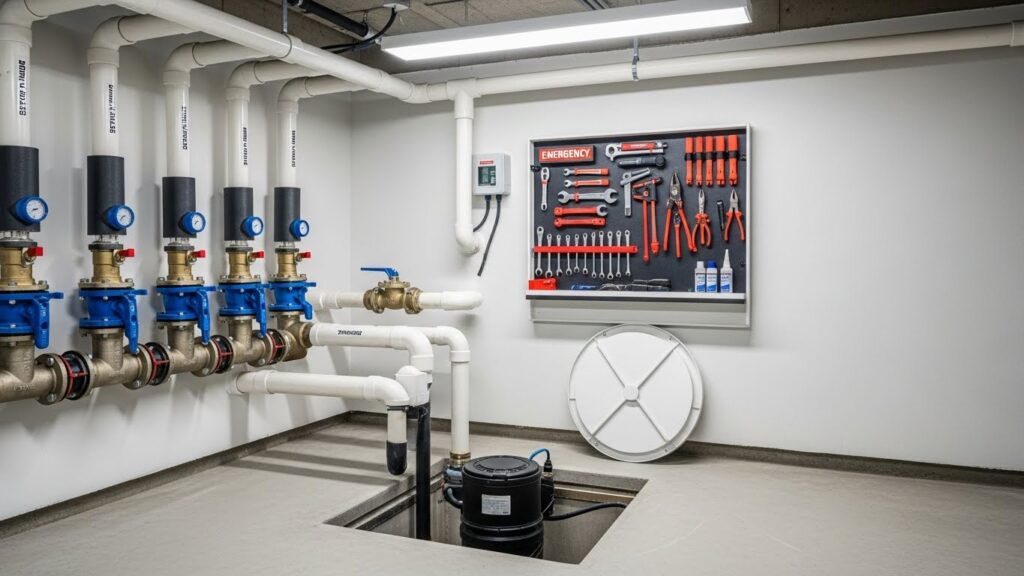
Sump Pump Failure (During Rain or Rapid Snowmelt)
Signs: Rising water in the pit, pump hums but doesn’t move water, or power outage with no backup.
What to do now:
- Check the float switch; clear debris.
- If safe, use a shop vac or manual pump temporarily.
- If you have a battery backup, switch to it.
- Call a pro quickly.
Why it’s an emergency: Basement flooding can happen within minutes and damage mechanical systems.
Backflow or Suspected Water Contamination
Signs: Strange taste, color changes, or notices from your utility. Backflow devices may fail after pressure drops.
What to do now:
- Stop drinking tap water; use bottled water.
- Call your utility and a licensed plumber.
- Don’t use appliances connected to the water line.
Why it’s an emergency: Contaminated water is a direct health risk.
Gas Smell or Suspected Gas Leak (Gas Water Heaters/Lines)
Signs: Rotten-egg odor, hissing near gas lines, symptoms like dizziness.
What to do now:
- Don’t use switches, phones, or open flames inside.
- Evacuate and call your gas utility emergency line from outside.
- After the utility clears the area, call a licensed plumber if gas line repairs are needed.
Why it’s an emergency: Fire and explosion risk.
What’s Usually Not an Emergency
Some issues are frustrating but not urgent. If you can control the situation and there’s little risk of immediate damage, you can likely schedule a regular appointment.
Not usually urgent:
- Dripping faucet you can shut off at the handle or supply line
- A single slow drain without sewage odors
- Low water pressure that hasn’t suddenly worsened
- A running toilet that’s not overflowing
- Minor shower or sink clogs
- Cosmetic problems like loose trim or noisy pipes (without leaks)
Still, keep an eye on them. Small leaks can become big ones if ignored.
Immediate Steps Before the Plumber Arrives
Acting fast can save your home from thousands in damage. Here’s your simple plan.
1) Kill the water at the source
- Main shutoff: Usually a wheel or lever near where your main line enters the home. Turn clockwise or set the lever perpendicular to the pipe.
- Fixture shutoffs: Under sinks and behind toilets.
2) Power down where water is present
- Turn off breakers to affected circuits.
- Never step into standing water if power may be live.
3) Contain and document
- Place buckets, towels, and pans.
- Move electronics, rugs, and furniture from wet areas.
- Take photos and short videos for insurance.
4) Protect your water heater
- If you turned off the main, switch off power to an electric heater so the elements don’t run dry.
- For gas, set to pilot/off.
5) Stop sewage exposure
- Avoid contact; sanitize surfaces with proper disinfectant after the event.
6) Call for help—and be ready
- Share clear details: where it’s leaking, what you shut off, and what’s affected.
- Ask about ETA, fees, and what to do while you wait.
Costs, Response Time, and What to Expect
Emergency plumbing service often includes an after-hours fee. Rates vary by region, time of day, and job complexity.
Typical expectations:
- Response time: 1–3 hours in many areas; faster in urban zones, slower in storms.
- Fees: Emergency call-out fee plus hourly labor; parts are additional.
- Diagnostics: A good tech will isolate the cause before opening walls.
- Clean-up: Many plumbers offer basic water containment; large floods may need a water damage restoration company.
How to keep costs reasonable:
- Shut off water quickly to minimize damage.
- Clear access to the problem area before the tech arrives.
- Ask for a scope and estimate before work begins.
- Prioritize permanent fixes over temporary band-aids when possible.
Prevent It: Maintenance, Tools, and Simple Habits
You can’t prevent every emergency, but you can stack the odds in your favor.
Seasonal checklist:
- Winterize: Insulate exposed pipes; disconnect hoses; keep heat at 55°F+ when away.
- Test your sump pump: Lift the float and confirm discharge; test backups.
- Water heater care: Flush annually if recommended; inspect the anode rod.
- Check supply lines: Replace brittle or bulging hoses (washer, dishwasher, ice maker) with braided stainless.
- Inspect shutoff valves: Exercise them twice a year so they don’t seize.
Tools to keep handy:
- Adjustable wrench, pliers, and a quality plunger
- Wet/dry shop vac
- Pipe thread tape and a few compression caps for emergencies
- Towels, buckets, and a flashlight or headlamp
Smart habits:
- Know where your main shutoff is—and label it.
- Don’t pour grease down drains; use strainers for hair and debris.
- Space out laundry and dishwasher cycles to avoid overloading drains.
- Set water pressure to a safe level (generally 40–60 psi); consider a pressure-reducing valve.
How to Choose a Reliable Emergency Plumber
When you’re stressed, a calm, qualified pro is priceless. Choose wisely with these tips.
- Licensing and insurance: Verify credentials. Ask for proof of insurance.
- Emergency readiness: 24/7 line, real-time dispatch, realistic ETAs.
- Reviews and referrals: Look for consistent praise on response and cleanup.
- Transparent pricing: Clear after-hours policy and diagnostic fees.
- Warranty: Ask about workmanship guarantees and parts warranties.
- Communication: Do they explain options plainly and share prevention tips?
Red flags:
- Vague pricing, pushy upselling, or no written estimate
- Unmarked vehicles or lack of basic protective gear
- Poor communication or unwillingness to show credentials
Frequently Asked Questions About Plumbing Emergencies
What is considered a plumbing emergency?
A plumbing emergency is any issue that risks immediate water damage, health hazards, or loss of essential services. Examples include burst pipes, sewage backups, no running water, major leaks, a failing water heater, and frozen or burst lines. If waiting will likely make things worse, treat it as urgent.
Should I turn off the main water valve for any big leak?
Yes. If you can’t stop the leak at a fixture valve, shut off the main. Turning it off stops the supply and limits damage. Then kill power to wet areas and call a licensed plumber.
When is an overflowing toilet an emergency?
If the water contains waste or won’t stop rising, it’s an emergency. Stop using all water fixtures, shut off the toilet supply valve, and call a pro. Wastewater exposure is a health risk and can spread quickly.
Is no hot water an emergency?
It depends. In cold climates or for vulnerable household members, lack of hot water can be urgent. If the water heater is leaking or showing signs of failure, treat it as an emergency. Otherwise, it may wait for normal hours.
How can I prevent plumbing emergencies?
Know your shutoffs, keep water pressure in a safe range, replace old supply lines, and service your water heater. Insulate pipes in winter, test your sump pump, and avoid drain abuse. Small habits go a long way.
Conclusion: Don’t Panic—Act Fast and Smart
Here’s the bottom line: if water or sewage is out of control, health is at risk, or essential service is down, it’s an emergency. Now that you know what is considered a plumbing emergency, you can act quickly, shut off the right valves, and call the right help.
Need a hand right now? Contact a trusted, licensed plumber in your area. If it’s safe, send photos and details so they can bring the right parts the first time.
Call-to-Action: If you’re facing an urgent issue, shut off the water and reach out to an emergency plumbing service immediately. Your fast action protects your home and your wallet.
Helpful Links & Resources
- [LINK: EPA tips to fix household leaks -> https://www.epa.gov/watersense/fix-leak-week]
- [LINK: CDC guidance on mold cleanup after water damage -> https://www.cdc.gov/mold/cleanup.htm]
- [LINK: How to find your home’s main water shutoff -> https://www.redcross.org/get-help/how-to-prepare-for-emergencies/types-of-emergencies/water-damage.html]
- [LINK: Understanding water hammer (Wikipedia) -> https://en.wikipedia.org/wiki/Water_hammer]
- [LINK: Local emergency plumbing services -> https://primeemergencyplumbing.com/emergency-plumbing-services-in-portland/]