What Is Classed as a Plumbing Emergency?
Table of Contents
- [Introduction](#introduction)
- [Short Story: The Midnight Drip That Became a Deluge](#short-story-the-midnight-drip-that-became-a-deluge)
- [What Exactly Is Classed as a Plumbing Emergency?](#what-exactly-is-classed-as-a-plumbing-emergency)
- [A Simple Way to Decide: The 4-Point Emergency Test](#a-simple-way-to-decide-the-4-point-emergency-test)
- [Common Plumbing Emergencies (And Why They Can’t Wait)](#common-plumbing-emergencies-and-why-they-cant-wait)
- [What Usually Isn’t a Plumbing Emergency](#what-usually-isnt-a-plumbing-emergency)
- [Immediate Steps to Take Before the Plumber Arrives](#immediate-steps-to-take-before-the-plumber-arrives)
- [Calling a 24/7 Plumber: What to Say, Cost Expectations, and Timing](#calling-a-247-plumber-what-to-say-cost-expectations-and-timing)
- [Prevention Playbook: How to Reduce Plumbing Emergencies](#prevention-playbook-how-to-reduce-plumbing-emergencies)
- [Insurance, Documentation, and Aftercare](#insurance-documentation-and-aftercare)
- [Frequently Asked Questions](#frequently-asked-questions)
- [Conclusion and Next Steps](#conclusion-and-next-steps)
- [Helpful Links and Resources](#helpful-links-and-resources)
Introduction
If you’ve ever wondered, “what is classed as a plumbing emergency?” you’re not alone. It’s one of the most common questions homeowners ask—usually right after an alarming drip becomes a steady stream.
Here’s the thing: not every plumbing issue needs a midnight call-out. But when water, sewage, or gas threatens safety, property, or essential services, waiting can make things worse—fast.
In this guide, you’ll learn what truly counts as an emergency, what can wait until morning, and the immediate steps to protect your home. We’ll keep it practical and calm. And if you remember only one thing, let it be this: when in doubt, shut off the water, stay safe, and call a professional for guidance.
Short Story: The Midnight Drip That Became a Deluge
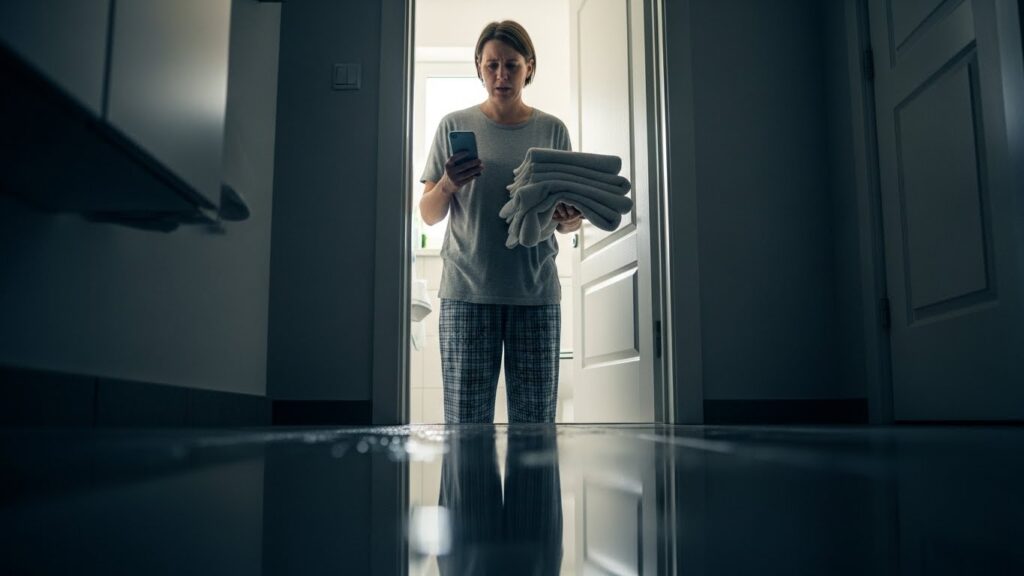
It started with a faint tick… tick… tick. Mia noticed the sound when the house fell quiet. By the time she got up to check the bathroom, the drip had turned into a whispering spray from under the sink.
She did what many of us do—she grabbed towels. But within minutes, the spray became a stream, and the cabinet swelled. Her heart raced. The rugs were soaked. The smell of damp drywall rose like a warning.
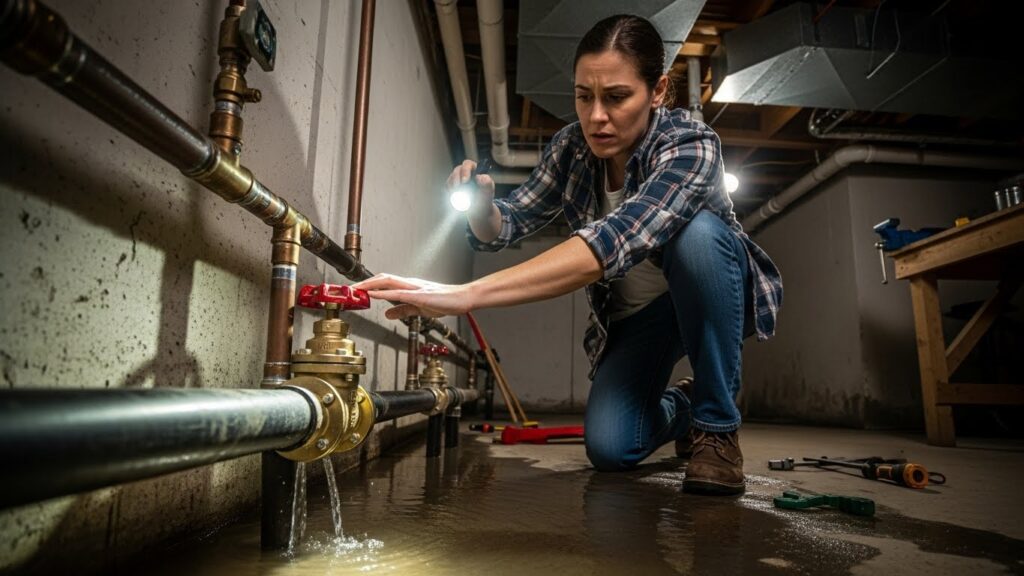
Mia remembered a tip from a neighbor: “If water won’t stop, shut off the main.” She found the brass valve near the water meter, turned it clockwise, and the flow slowed, then stopped. Relief washed over her. She took photos, called a 24/7 plumber, and propped open the doors to let air move.
By morning, the line was repaired and the damage was contained. It wasn’t how Mia wanted to spend her night, but it could have been far worse. The difference? She knew which signs meant “this can’t wait.”
What Exactly Is Classed as a Plumbing Emergency?
A plumbing emergency is any sudden issue involving water, sewage, or gas that threatens safety, property, or essential household function and cannot responsibly wait for normal business hours.
In plain terms, it’s an emergency when:
- Water is actively flooding or spreading rapidly.
- Sewage is backing up inside the home.
- Gas is suspected to be leaking from plumbing or appliances.
- You’ve lost essential service (no water, no toilet function) and it impacts health or habitability.
On the other hand, slow drips, a single sluggish drain, or a mildly running toilet typically aren’t emergencies—though they still deserve prompt attention to prevent bigger problems.
Here are core factors that help define what is classed as a plumbing emergency:
- Risk of damage: Will this cause structural damage, ruin flooring, or soak walls if not addressed now?
- Risk to health: Is there raw sewage, contamination, or gas present?
- Loss of critical service: Do you have safe drinking water, functioning toilets, and drainage?
- Escalation potential: Is the issue getting worse quickly or contained for now?
If two or more of these are true, treat it as an emergency.
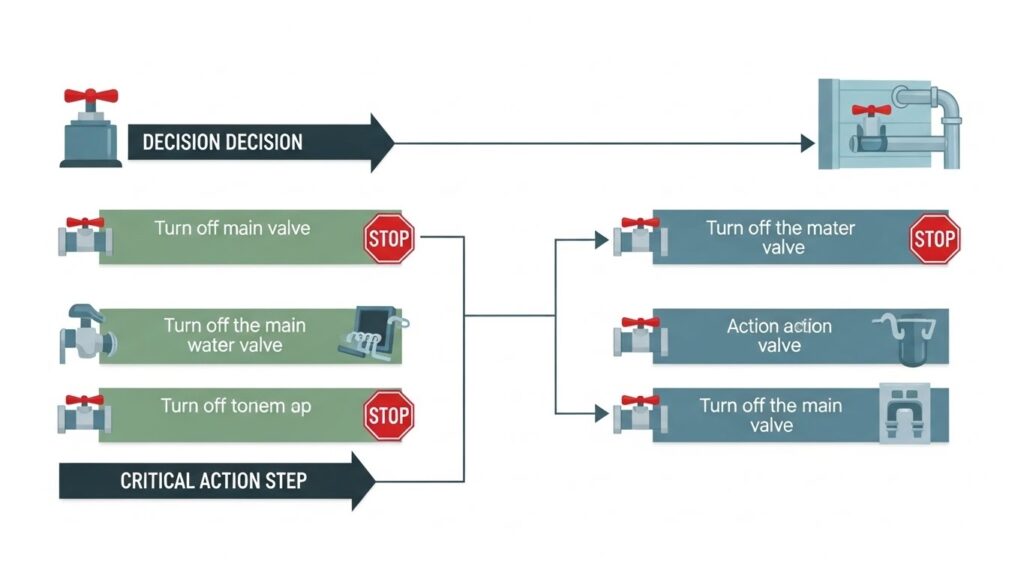
A Simple Way to Decide: The 4-Point Emergency Test
When you’re unsure whether to call now or wait, use this quick test.
1) Is water or sewage spreading uncontrollably?
- Yes: Emergency. Shut off the relevant valve or main and call a pro.
- No: Move to the next question.
2) Is there a health/safety risk (sewage, gas, electrical exposure)?
- Yes: Emergency. Evacuate if gas is suspected. Call the utility and a licensed plumber.
- No: Move to the next question.
3) Is essential service lost (no water to the whole house, no flushing toilets)?
- Yes: Likely urgent. If it’s after-hours, call your plumber’s emergency line for advice.
- No: Move to the next question.
4) Will waiting likely cause significant property damage or cost more to fix?
- Yes: Treat as urgent and call.
- No: You can probably schedule it for normal hours.
This 4-point test isn’t perfect, but it’s practical. Pair it with common sense and your comfort level. If something feels unsafe, call.
Common Plumbing Emergencies (And Why They Can’t Wait)
Let’s dig into specific scenarios so you can quickly identify what is classed as a plumbing emergency and what can wait.
1) Burst or Actively Leaking Pipe
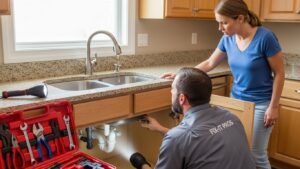
If a pipe bursts or is leaking rapidly, it’s an emergency. Water can soak insulation, warp floors, and encourage mold in as little as 24–48 hours. Shut off the nearest isolation valve or the main water supply immediately.
Signs and actions:
- Audible spray or hissing from behind a wall
- Swelling drywall, sagging ceiling, or damp spots that are spreading
- Drop in water pressure in multiple fixtures
- Action: Turn off the main, open low faucets to drain, and call a plumber now
2) Sewage Backup Into the Home
Raw sewage carries pathogens and creates severe health risks. If a basement drain, tub, or toilet overflows with blackwater, treat it as a genuine emergency. Keep kids and pets away.
Signs and actions:
- Gurgling drains with foul odors
- Toilets bubbling when sinks drain
- Backflow at basement floor drains
- Action: Avoid using water, shut off affected fixtures, and call a plumber with drain/jetting capability
3) No Water Supply to the Whole House
A total loss of water is often urgent, especially if you have vulnerable people at home. It can be caused by a city supply issue, a mainline break, a frozen pipe, or a closed valve.
What to do first:
- Check with neighbors to see if it’s an area outage
- Inspect the main shutoff valve (make sure it’s fully open)
- In freezing weather, consider that pipes may be frozen
- If not resolved quickly, call your utility and a plumber for guidance
4) Suspected Gas Leak From a Water Heater or Gas Line
Although plumbers often handle gas lines and appliance connections, a gas leak is first and foremost a safety emergency.
Immediate steps:
- Do not use switches or phones inside—sparks can ignite gas
- Evacuate, go outside, and call your gas utility’s emergency line
- Once safe, contact a licensed plumber or gas-safe technician to repair
5) Overflowing Toilet You Can’t Stop
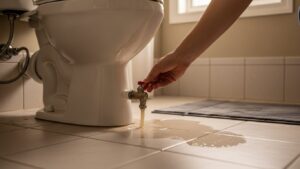
One overflowing toilet can quickly become a full bathroom mess. If plunging doesn’t clear it and water continues to rise or flow, shut off the water supply valve at the base of the toilet.
If you can’t locate or turn the valve, shut off the main water supply. If the issue involves sewage, it’s an emergency. If it’s a simple clog and you’ve stopped the flow, it may wait—but don’t ignore it.
6) Water Heater Leaking or Spraying
A leaking water heater can cause significant damage. In rare cases, a malfunctioning heater can be dangerous, especially if the temperature/pressure relief valve is failing.
What to check:
- Is water pooling or spraying from the tank or pipes?
- Do you hear boiling, popping, or hissing sounds?
- Is the TPR valve discharging frequently?
- Action: Turn off water and power/gas to the unit and call a pro
7) Frozen Pipes at Risk of Bursting
During deep freezes, pipes can freeze, blocking flow. As they thaw, they may burst. If you suspect a frozen pipe, treat it as urgent—especially if the pipe is in an unheated space.
Steps to take:
- Turn off the water at the main if you hear water running behind walls
- Open faucets to relieve pressure
- Warm the area safely (never with open flames)
- Call a plumber if you can’t locate or access the frozen section
8) Major Leak From an Appliance
Dishwashers, ice makers, and washing machines can all spring leaks. If water is spreading across floors or dripping into ceilings below, shut off the appliance supply valve and, if needed, the main.
Warning signs:
- Puddles under appliances
- Ruined kickboards or swollen cabinetry
- Water stains on ceilings below the laundry or kitchen
9) Backflow or Cross-Connection Concern
If there’s any sign that contaminated water is entering your home’s potable supply—such as sudden discoloration or foul taste—stop using water and call a pro. Backflow risks can be serious.
10) Sump Pump Failure in a Storm
If your sump pump fails during heavy rain and water starts rising, act fast. Standing water in a basement can damage electrical systems, stored items, and your foundation.
What to do:
- Check the pump power and float
- Use a backup pump if available
- Call for emergency service if water is rising
What Usually Isn’t a Plumbing Emergency
Not everything needs a 2 a.m. visit. These issues are typically safe to schedule during business hours—unless they escalate.
- A slow-dripping faucet
- A single slow drain (not affecting other fixtures)
- A running toilet you can stop by closing the supply valve
- Minor leaks that you can safely contain with a bucket and shutoff
- Low water pressure at one fixture (often a clogged aerator)
Be careful, though—“not an emergency” doesn’t mean “ignore it.” Small issues turn into big problems when neglected. If you notice damp smells, concealed drips, or stains, schedule a visit soon.
Immediate Steps to Take Before the Plumber Arrives
When you’re in the middle of a crisis, clear steps calm the mind. Here’s your playbook.
1) Shut off the water
- For localized leaks: Use the fixture’s shutoff valve (under sink, behind toilet).
- For unknown/big leaks: Use the main shutoff. It’s often near the meter, basement wall, or an exterior box.
2) Kill power to wet areas
- If water is near outlets or appliances, turn off the circuit at the breaker panel.
- Don’t step in water where electricity may be present.
3) Protect people and pets
- Keep kids and pets away from affected areas.
- In sewage situations, wear gloves and avoid contact.
4) Reduce damage
- Place buckets and towels to catch drips.
- Move rugs, electronics, and valuables.
- Open cabinets and use fans to improve airflow.
5) Document for insurance
- Take clear photos and short videos of the damage and the source.
- Save receipts for emergency services and materials.
6) Call a professional and follow instructions
- Describe the situation clearly: where, when, how fast, what you’ve shut off.
- Ask if it’s safe to wait or if a tech should come immediately.
Calling a 24/7 Plumber: What to Say, Cost Expectations, and Timing
When you call the emergency line, have this info ready. It helps the dispatcher prioritize and prepare the tech.
What to say first:
- The issue: “Active leak from upstairs bathroom; water dripping through ceiling.”
- The status: “Main water shut off; electricity to room off; towels placed.”
- The risk: “Ceiling sagging, spreading fast; kids in house; sewage? No.”
- Your address and best phone number.
Ask these questions:
- How soon can a technician arrive?
- What’s the after-hours callout fee and hourly rate?
- Any steps I should take now to prevent more damage?
What to expect on cost:
- Most companies charge a callout fee for nights/weekends.
- Hourly rates may be higher after-hours.
- Parts and materials are separate.
- Clear communication upfront helps avoid surprises.
Timing tips:
- If the main is off and damage is contained, a pro may schedule you early morning.
- If health and safety are at risk, they’ll prioritize immediate dispatch.
Prevention Playbook: How to Reduce Plumbing Emergencies
Prevention doesn’t eliminate every emergency, but it tilts the odds in your favor.
1) Know your shutoffs
- Label your main water shutoff and gas shutoff.
- Show everyone in the household where they are.
2) Maintain water heater and fixtures
- Flush your water heater annually to reduce sediment.
- Test the temperature/pressure relief valve per manufacturer guidance.
- Replace supply hoses (washer, dishwasher) every 5–7 years.
3) Avoid drain abuse
- No grease, coffee grounds, or fibrous foods down the sink.
- Use drain strainers for hair and debris.
- Only flush toilet paper—nothing else.
4) Winterize
- Insulate pipes in unheated spaces.
- Disconnect garden hoses before freezing temps.
- Keep a trickle of water running during deep cold snaps.
5) Monitor and detect
- Install leak detectors under sinks and near the water heater.
- Consider a smart shutoff valve that auto-closes during leaks.
6) Get a yearly plumbing checkup
- A professional inspection can catch worn valves, weak joints, and slow leaks.
- Small fixes now prevent big bills later.
Insurance, Documentation, and Aftercare
Water damage can be complex. A little paperwork now can smooth the process later.
- Document everything: photos, videos, timelines, and costs.
- Call your insurer promptly for guidance on coverage and mitigation steps.
- Dry thoroughly: Dehumidifiers, fans, and open cabinets help. Mold can start in 24–48 hours.
- Consider a professional remediation company if large areas were soaked.
- Keep receipts from plumbers, cleanup supplies, and remediation—these may be claimable.
If you rent, inform your landlord or property manager immediately. They may have preferred vendors and specific protocols.
Frequently Asked Questions
What is classed as a plumbing emergency?
A plumbing emergency is any water, sewage, or gas issue that creates an immediate risk to safety, property, or essential services. Think active flooding, sewage backup, suspected gas leaks, or total loss of water. If it can’t safely wait, it’s an emergency.
How do I know if I should call a 24/7 plumber right now?
Use the 4-point test: Is water or sewage spreading? Is there a health risk? Have you lost essential service? Will waiting cause major damage? If the answer is yes to one or more, call now. When in doubt, shut off the water and get professional advice.
Can I turn off just one fixture instead of the main water supply?
Yes, if you can access the fixture’s shutoff valve (under sinks, behind toilets). If the leak is hidden or severe, turning off the main is safer. Knowing your valves ahead of time can save valuable minutes.
What isn’t considered a plumbing emergency?
Minor, contained issues—like a slow drip, a single slow drain, or a running toilet you can stop—usually aren’t emergencies. Still, don’t procrastinate. Schedule service soon to prevent escalation and higher repair costs.
What should I do while I wait for the plumber?
Shut off water to the affected area or the main, turn off power to wet zones, move valuables, and document damage with photos. Use fans and towels to minimize water spread. Follow any instructions from the dispatcher.
Conclusion and Next Steps
Plumbing surprises are stressful, but you’ve got a plan now. You know what is classed as a plumbing emergency, how to decide quickly, and how to protect your home before help arrives.
If you’re facing active flooding, sewage backup, or a suspected gas issue, act fast: shut off water, stay safe, and call a trusted 24/7 plumber. For everything else, schedule a timely visit and keep small problems from becoming big headaches.
Ready for peace of mind? Label your shutoffs today, set a phone reminder for an annual plumbing checkup, and consider smart leak detectors. Future you will be grateful.
Call-to-Action: Need help now or want a preventative inspection? Contact a licensed local plumber to get expert guidance today.
Helpful Links and Resources
- [LINK: How to shut off your home’s water main -> https://www.youtube.com/watch?v=FJtTj6k7M3U]
- [LINK: EPA guidance on water leaks -> https://www.epa.gov/watersense/fix-leak-week]
- [LINK: Understanding sewage backups (Wikipedia) -> https://en.wikipedia.org/wiki/Sewage]
- [LINK: Preventing frozen pipes (reputable guide) -> https://www.redcross.org/get-help/how-to-prepare-for-emergencies/types-of-emergencies/winter-storm/frozen-pipes.html]