Is a Leaking Toilet Pipe an Emergency?
Table of Contents
- [Introduction](#introduction)
- [A Short Story You’ll Recognize](#a-short-story-youll-recognize)
- [What Counts as an Emergency? A Clear Definition](#what-counts-as-an-emergency-a-clear-definition)
- [Why Fast Action Matters (Even for Small Leaks)](#why-fast-action-matters-even-for-small-leaks)
- [Common Mistakes People Make With Toilet Leaks](#common-mistakes-people-make-with-toilet-leaks)
- [What To Do Right Now: Step-by-Step](#what-to-do-right-now-step-by-step)
- [Expert Tips and Real-World Cases](#expert-tips-and-real-world-cases)
- [Key Takeaways](#key-takeaways)
- [Keyword & Entity Table](#keyword–entity-table)
- [Frequently Asked Questions About Is a Leaking Toilet Pipe an Emergency?](#frequently-asked-questions-about-is-a-leaking-toilet-pipe-an-emergency)
- [Image Prompt & Caption Table](#image-prompt–caption-table)
- [Suggested Links](#suggested-links)
- [Conclusion & Call to Action](#conclusion–call-to-action)
Introduction
Is a leaking toilet pipe an emergency? It depends on the type of leak, how fast water is escaping, and what it’s touching. But here’s the truth: even a slow drip can turn into a fast disaster when it hits subfloors, ceilings, or electrical fixtures.
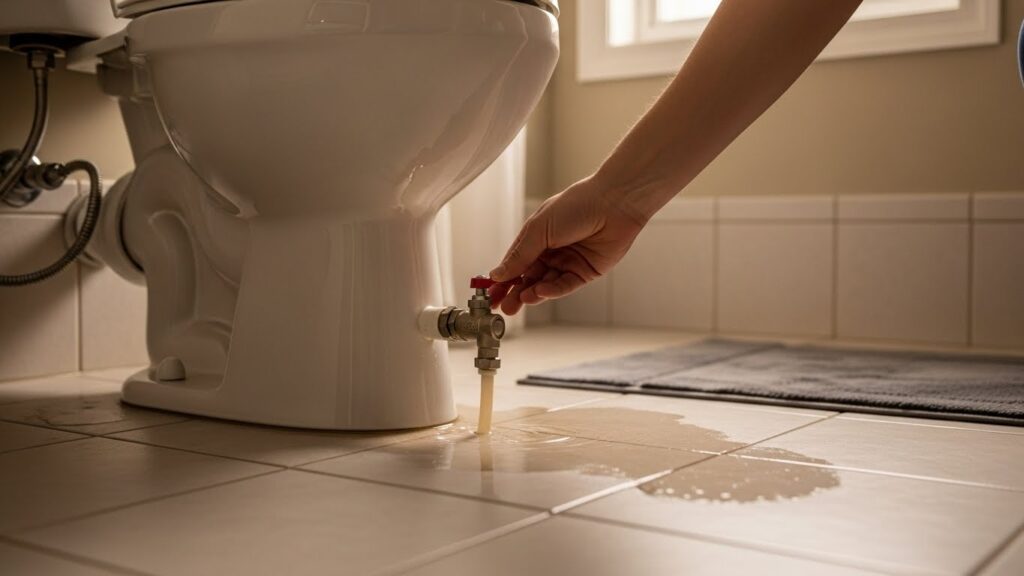
Toilets have a few common leak points: the supply line, the shut-off (angle stop) valve, the tank bolts and gaskets, and the wax ring at the floor flange. Each one behaves differently. Some leaks stay contained. Others soak drywall, feed mold, or cause a ceiling stain downstairs that shows up two days later.
In this guide, we’ll help you quickly decide if you’ve got an emergency, what to do in the first five minutes, and when to call an emergency plumber versus scheduling a normal visit. You’ll also get practical fixes, safety tips, and real stories to see what works in the real world.
If you’re seeing active water on the floor, hearing hissing, or smelling sewage, take a breath. You can stabilize most situations in minutes if you act calmly and methodically.
A Short Story You’ll Recognize
At 1:12 a.m., Mia woke to a soft hissing sound. It wasn’t the heater. She padded to the hallway bathroom and felt that unmistakable chill of tile under bare feet—and a cold splash where it didn’t belong.
The braided supply hose behind the toilet had a pinhole leak, spraying a fine mist. It didn’t look dramatic, but the water had already snaked across the floor and kissed the baseboards. You know that moment when your stomach drops? That was it.
She grabbed two towels, then remembered the shut-off valve. It was stiff. She twisted slowly, then a bit more. The hiss faded. Silence. Relief.
At 1:19 a.m., Mia placed a small bowl under the connection just in case and opened a window to dry the room. She snapped a few photos, wiped along the baseboards, and set a fan to low. Then she searched for a plumber and booked a morning appointment.
By 9:30 a.m., a tech replaced the supply line and recommended a better braided hose. Total bill: less than a fancy dinner. The technician told her, “If that mist had kept going until sunrise, your downstairs ceiling would be a mess.”
It wasn’t dramatic. But it was close. And it’s exactly how a simple leak turns into a costly claim.
What Counts as an Emergency? A Clear Definition
So, is a leaking toilet pipe an emergency? Here’s a clear way to decide. Think in three buckets: emergency, urgent, and non-urgent.
- Emergency: Active, uncontrolled water flow or sewage present. Examples:
- A burst or cracked supply line spraying water.
- A shut-off valve that won’t close and water keeps running.
- Sewage backup or brown/black water leaking from the base or drain line.
- Water leaking through a ceiling below or dripping near electrical fixtures.
- Urgent (same-day service recommended): Contained leaks with risk of escalation. Examples:
- Slow drip from the supply connection, tank bolts, or fill valve.
- Wax ring leak that dampens the floor or leaves a musty odor.
- Recurrent condensation that’s soaking baseboards or flooring.
- Non-Urgent (schedule soon): Moisture signs with no active leak. Examples:
- Old, corroded supply line showing rust or bulge.
- Slight tank condensation in humid weather (but no water damage yet).
Here’s a quick rule of thumb: if clean water is actively flowing and you can’t stop it, that’s an emergency. If the water is dirty or smells like sewage, treat it as an emergency for health reasons. If water has reached electrical outlets or ceiling fixtures, prioritize safety—shut power if needed and call a pro immediately.
Also consider where the water will go next. Bathrooms often sit above living rooms or kitchens. A small leak can take hours to appear in the ceiling below but causes damage the whole time.
Why Fast Action Matters (Even for Small Leaks)
Water is sneaky. It spreads, wicks up trim, and seeps into subfloors. Acting quickly reduces damage, costs, and stress. Here’s why speed matters:
- Prevents structural damage: Wood swells and weakens with prolonged moisture. Subfloors can delaminate. Floor tiles may loosen.
- Stops mold before it starts: Many molds can grow within 24–48 hours on damp drywall or wood.
- Protects health: Sewage (black water) carries harmful pathogens. Even gray water can harbor bacteria.
- Saves money: A new braided supply line costs little. A ceiling tear-out and mold remediation can cost thousands.
- Preserves insurance options: Quick mitigation (shutting off water, drying the area) often helps during claims.
You don’t need to panic. You do need a plan. Start with the shut-off valve, control the water, and then assess. A few smart minutes now can prevent a long, messy week later.
Common Mistakes People Make With Toilet Leaks
Here are the traps we see all the time—and how to avoid them.
1) Ignoring a slow drip because “it’s just a little water.”
- Even a teaspoon a minute adds up to over seven gallons in a day. That’s enough to wet drywall, baseboards, and cabinets.
2) Only placing a towel and moving on.
- Towels mask the issue. If you don’t stop the source, water keeps traveling underneath and behind surfaces.
3) Over-tightening fittings.
- Cranking down a compression nut or supply line connection can damage threads or crush a gasket. “Snug” is your friend.
4) Using the wrong sealant.
- Silicone on threads? Not ideal. PTFE (plumber’s tape) is for threaded connections; silicone has specific uses.
5) Forgetting the shut-off valve location.
- In a pinch, you need to know where it is and how to turn it. Old valves may be stiff—turn slowly to avoid breaking them.
6) Not checking the room below.
- Ceiling stains can appear hours later. A quick peek downstairs can prevent a surprise.
7) Skipping disinfection for dirty water.
- If the leak is from the bowl or drain line, disinfect after cleanup. Use proper PPE and ventilation.
8) Delaying professional help when warning signs stack up.
- If water keeps returning, there’s likely a worn gasket, a cracked flange, or poor caulking that needs attention.
What To Do Right Now: Step-by-Step
If you’re staring at a damp floor or an active drip, here’s a simple, safe plan.
1) Identify the water type
- Clean water: Often from the supply line, fill valve, or tank condensation.
- Dirty/colored water or sewage odor: From the bowl, drain line, or a backup. Treat as hazardous; wear gloves.
2) Shut off the water
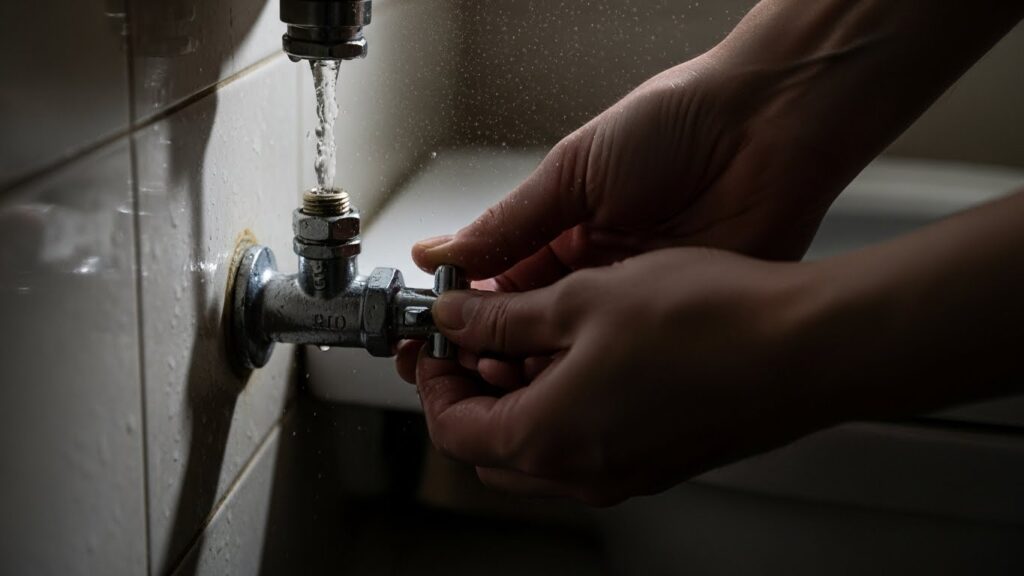
- Turn the angle stop valve clockwise (righty-tighty) until it stops. It’s usually on the wall or floor behind the toilet.
- If that fails, shut off the main water supply to the house.
3) Stabilize and contain
- Place a bowl or bucket under the drip.
- Use towels to prevent spreading. Swap out soaked towels quickly.
- For a small spray from threads, a few wraps of PTFE tape on the male threads can buy time until repair.
4) Protect surfaces
- Move bath mats; they trap moisture.
- Create airflow with a fan or open window. Avoid blasting heat directly at flexible plastic parts.
5) Inspect the likely culprits
- Supply line: Look for bulges, rust, or pinholes on braided hoses.
- Shut-off valve: Check the stem and packing nut area for seepage.
- Tank bolts and gaskets: Inspect under the tank; look for droplets.
- Wax ring: Watch for water seeping at the base when you flush.
6) Document the situation
- Take photos and short videos. Note the time you discovered the leak.
- This helps if you need insurance or warranty support.
7) Decide: emergency call or scheduled visit
- Emergency call now if:
- Water won’t stop with the valve.
- Water is near outlets or fixtures.
- Sewage is present.
- Water is spreading to other rooms or floors.
- Schedule soon if:
- You stopped the leak and it’s contained.
- You can mop up and dry within an hour.
8) Temporary DIY fixes (only if comfortable)
- Replace a cracked or bulging supply line with a quality braided hose.
- Gently snug a compression nut—don’t force it.
- Replace a worn wax ring if you’re confident removing and reseating the toilet. If not, call a pro.
9) Clean and disinfect
- For clean water: Wipe and dry surfaces, then clean with a mild household cleaner.
- For dirty water: Use a disinfectant rated for bathrooms. Wear gloves and ventilate the room.
10) Monitor for 48 hours
- Recheck the area, especially the room below.
- If moisture returns, schedule a professional inspection.

Expert Tips and Real-World Cases
Here’s what seasoned plumbers and property pros want you to know.
- Replace supply lines proactively. If your braided hose looks aged, swap it every 5–7 years—or sooner if you see corrosion.
- Know your valves. Test the toilet shut-off once or twice a year so you’re not surprised in an emergency. Turn it gently and return it to open.
- Choose quality parts. A few extra dollars for a name-brand fill valve or supply line can prevent headaches.
- Mind the wax ring. If you notice a musty smell or squishy flooring around the base, the wax ring may be failing. That’s a priority repair.
- Caulk smart. Caulking around the base keeps mop water out and looks clean. Leave a small gap at the back so a future leak reveals itself instead of trapping water under the toilet.
- Look below. If a bathroom sits above finished space, inspect the ceiling below after any leak. Early stains are easier to fix.
Real-World Case 1: The Midnight Mist
- A second-floor supply line developed a fine spray, just like Mia’s story. The homeowner shut the valve, used a fan, and called in the morning. Total: under $200. If it had sprayed all night, likely $2,000–$4,000 including drywall and paint.
Real-World Case 2: The Hidden Wax Ring Leak
- A family noticed a faint odor and a slight dark line at the base. Over weeks, the subfloor softened. By the time they called, repairs required a toilet reset, subfloor patch, and new vinyl. Total: $900–$1,800. If caught early: $150–$350 for a wax ring reset.
Real-World Case 3: The Angle Stop That Snapped
- An old shut-off valve crumbled when turned in a rush. Water kept flowing. The main had to be shut. Emergency call, new valve, and drying equipment: $500–$1,200. Moral: turn stiff valves slowly and consider replacing aging ones proactively.
Key Takeaways
- When is a leaking toilet pipe an emergency? If water won’t stop, sewage is present, or water is hitting electrical or spreading fast.
- First steps: Identify water type, shut off supply, contain, document, and decide on emergency vs scheduled service.
- Prevention beats repair: Replace aging supply lines, test valves, and watch for base leaks.
- Health matters: Treat dirty water as hazardous and disinfect properly.
- Don’t guess with structure: If you see ceiling stains or warped floors, get a pro to inspect.
Keyword & Entity Table
| Type | Items |
|—|—|
| Target Keyword | Is a leaking toilet pipe an emergency? |
| Secondary Keywords | toilet leak, emergency plumber, toilet supply line, shut-off valve, wax ring leak, toilet flange, water damage, sewage backup, burst pipe, tank-to-bowl gasket |
| Relevant Entities |
[Toilet](https://en.wikipedia.org/wiki/Toilet),
[Plumbing](https://en.wikipedia.org/wiki/Plumbing),
[Water damage](https://en.wikipedia.org/wiki/Water_damage),
[Mold](https://en.wikipedia.org/wiki/Mold) |
Frequently Asked Questions About Is a Leaking Toilet Pipe an Emergency?
1) How do I know if my toilet leak is an emergency?
If water is flowing and won’t stop, if you smell sewage, or if water is reaching electric outlets or a ceiling below, treat it as an emergency. Close the shut-off valve, contain the water, and call a pro. When in doubt, shut the main.
2) Can I use my toilet if the pipe is leaking a little?
If the leak is from the supply line or shut-off and you’ve stopped it at the valve, avoid using the toilet until it’s fixed. If the leak is at the base (wax ring), each flush can push water into the floor. It’s safer to use another bathroom until repaired.
3) What’s the quickest temporary fix for a small drip?
Shut off the toilet valve, wrap PTFE tape on threaded connections if accessible, and place a container under the drip. Swap soaked towels and increase airflow. Then schedule a proper repair or replacement of the faulty part.
4) When should I replace a toilet’s supply line?
Every 5–7 years is a good rule, sooner if you see rust, bulging, fraying, or leaks at the crimp. Choose a quality braided stainless line sized to your toilet and valve. Hand-snug plus a gentle quarter-turn is usually enough.
5) How much does it cost to fix a leaking toilet pipe?
Costs vary by issue and region: a new supply line might be $20–$50 for parts, with labor $100–$200. A wax ring reset may be $150–$350. Emergency after-hours calls can start around $250–$500 but often prevent larger repair bills.