How Much Do Emergency Plumbers Charge Per Hour?
Introduction
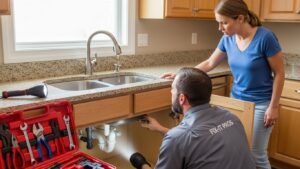
When a pipe bursts at 2 a.m. or your toilet won’t stop overflowing, you don’t have time to shop around. You need help fast. But how much do emergency plumbers charge per hour, and what should you expect to pay when it’s after-hours, a weekend, or a holiday?
Here’s the short answer: emergency plumber hourly rates typically range from $150 to $400 per hour, with higher costs in big cities or during holidays. That’s before parts, a possible call-out fee, and other incidentals. In this guide, you’ll learn what drives those costs, smart ways to save, and how to tell if it’s truly an emergency.
Table of Contents
- [A 2 a.m. Story You’ll Recognize](#a-2-am-story-youll-recognize)
- [What Counts as a Plumbing Emergency?](#what-counts-as-a-plumbing-emergency)
- [How Much Do Emergency Plumbers Charge Per Hour?](#how-much-do-emergency-plumbers-charge-per-hour-1)
- [Common Fees and Cost Factors](#common-fees-and-cost-factors)
- [Real-World Cost Scenarios](#real-world-cost-scenarios)
- [How to Save on Emergency Plumbing Costs](#how-to-save-on-emergency-plumbing-costs)
- [When to Call Now vs. Wait Until Morning](#when-to-call-now-vs-wait-until-morning)
- [Insurance, Warranties, and Payment Options](#insurance-warranties-and-payment-options)
- [Regional Rate Snapshots](#regional-rate-snapshots)
- [Frequently Asked Questions](#frequently-asked-questions)
- [Conclusion: Know Your Numbers Before You Call](#conclusion-know-your-numbers-before-you-call)
- [Call to Action](#call-to-action)
- [Suggested Resources and Links](#suggested-resources-and-links)
A 2 a.m. Story You’ll Recognize
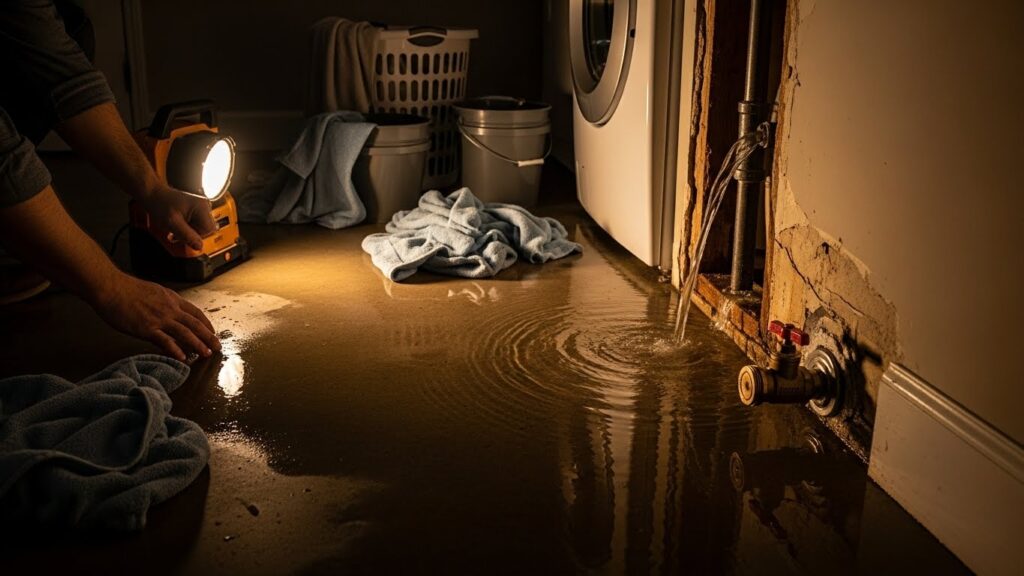
You know that moment when you hear water—where there shouldn’t be water? That was me last winter. A tiny hiss became a steady spray behind the laundry room wall. The floor turned cold and slick in seconds. I grabbed towels, the mop, and that sinking feeling.
I found the main shut-off behind a panel in the garage, turned the valve, and watched the geyser die down to a begrudging drip. Relief came first, then dread: I had to call an emergency plumber. It was 2:11 a.m., and a holiday weekend.
The dispatcher was calm. “We have a tech 30 minutes away. The after-hours rate is $275 per hour, one-hour minimum, plus a $95 call-out. If parts are needed, we’ll itemize them.” Not cheap, but the alternative was water damage I couldn’t afford.
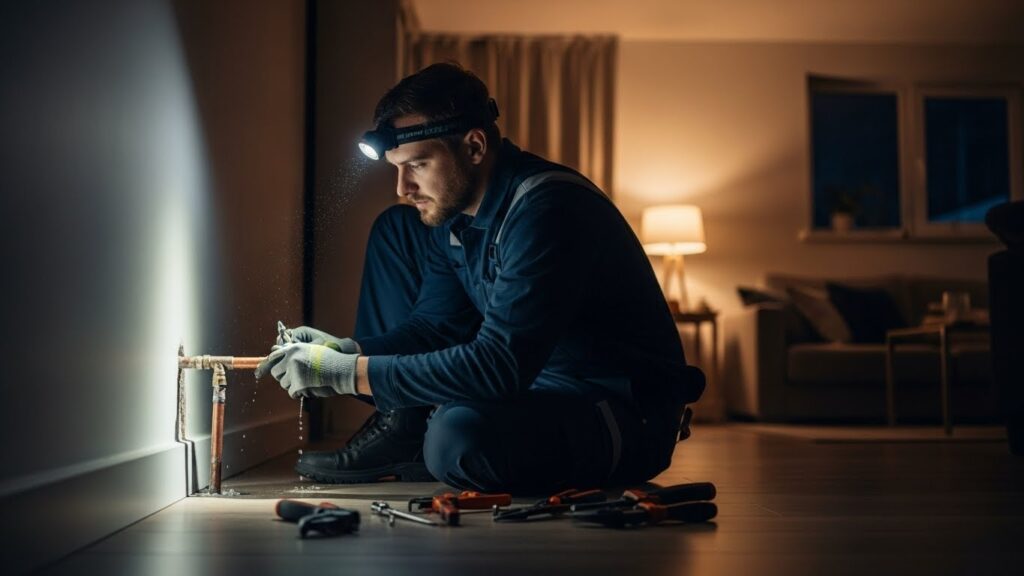
The plumber arrived with a headlamp and a sense of urgency that made me feel less alone. He cut out a cracked copper section and soldered in a new piece. Ninety minutes later, my house was quiet again. The bill wasn’t small, but it was clear and fair. And I slept.
That night taught me two things: shut-off valves are your best friends, and knowing the going rate for emergency plumber hourly rates removes a lot of fear.
What Counts as a Plumbing Emergency?
Not every leak demands a 3 a.m. call. An emergency is any issue that puts people, property, or essential services at risk if left unchecked for hours. Here’s how to think about it:
- Active water damage: Burst pipes, ceiling leaks, or a failed shut-off valve.
- Loss of essential service: No running water, no working toilet in a one-bath home, or a failed water heater spraying water.
- Health/safety risks: Sewage backing up into sinks, tubs, or floors; suspected gas or water heater issues.
- Containment failure: When you can’t stop or safely contain the problem until morning.
If you can shut off water to the fixture (or to the home) and safely wait, you might avoid after-hours rates. But if water or sewage is actively spreading, call now.
Quick formula for total cost:
- Total = (Emergency hourly rate × hours on site) + call-out/diagnostic fee + parts + disposables + taxes/permits (if any)
Understanding each piece will help you compare quotes and prevent surprise charges.
How Much Do Emergency Plumbers Charge Per Hour?
Emergency plumber hourly rates typically fall between $150 and $400 per hour. The spread depends on location, timing, and complexity. Here’s what most homeowners see in the U.S.:
- Standard business-hours rates: $75–$150 per hour.
- After-hours emergency rates: $150–$300 per hour.
- Weekend/holiday or peak-demand rates: $225–$400+ per hour.
Some companies use a flat emergency service fee plus time and materials. Others use tiered multipliers:
- After-hours multiplier: 1.5× to 2× the normal rate.
- Holiday/snowstorm surge: Up to 2.5× in high-demand markets.
Important note: Many emergency calls carry a one-hour minimum charge, even if the fix takes 20 minutes. Ask about minimums before the truck rolls.

Common Fees and Cost Factors
Knowing the line items helps you compare apples to apples.
1) Call-Out or Trip Fee
- A common one-time fee for dispatching a tech after-hours.
- Typical range: $50–$200, market-dependent.
2) Diagnostic Fee
- Sometimes separate from call-out; covers time to assess the issue.
- Often applied toward the repair if you proceed.
3) Parts and Materials
- Copper, PEX, PVC, valves, wax rings, fittings, solder, flux, sealants.
- Markups vary. Ask for itemized parts pricing.
4) Equipment Charges
- Pipe thawing, drain augers, hydro-jetting, and camera inspections may add $100–$400+ depending on duration.
5) Minimum Hours
- Expect a one-hour minimum. Some firms bill in 15-minute increments after the first hour; others in 30-minute blocks.
6) Travel and Service Area
- Distant or rural locations may include extra travel time.
- City parking fees or access challenges can add costs.
7) Complexity and Access
- Hidden leaks behind tile, ceiling removal, or tight crawlspaces add time.
- Corroded shut-offs or brittle pipes raise risk and labor.
8) Timing and Demand
- Storms, freezes, or holidays drive higher rates due to demand.
9) Licensing, Insurance, and Warranty
- Reputable, insured companies may cost more but reduce risk.
- Solid warranties indicate confidence and often justify the rate.
10) Payment Method and Admin Fees
- Some companies add small fees for credit card processing.
- Get clarity before work starts.
Real-World Cost Scenarios
Numbers make it real. Here are sample breakdowns to benchmark your quote.
Scenario A: Burst Pipe at Night (Suburban Market)
- Call time: 11:30 p.m. on a weekday
- Emergency hourly rate: $225/hour
- Time on site: 1.5 hours (one-hour minimum)
- Call-out: $95
- Parts: $48 (copper, fittings, solder)
- Materials/disposables: $12
- Total: ($225 × 1.5) + $95 + $48 + $12 = $493.50
Scenario B: Clogged Main Drain on Saturday
- Rate: $275/hour (holiday weekend)
- Time: 2 hours (includes setup and cleanup)
- Equipment: $150 (power auger)
- Call-out: Included
- Total: ($275 × 2) + $150 = $700
Scenario C: Water Heater Leak, Quick Valve Swap
- Rate: $180/hour (after-hours, smaller market)
- Time: 1 hour minimum
- Parts: $35 (new shut-off valve + tape)
- Total: ($180 × 1) + $35 = $215
Scenario D: Sewer Backup, Camera + Jetting (Urban)
- Rate: $325/hour (peak demand)
- Time: 2.5 hours
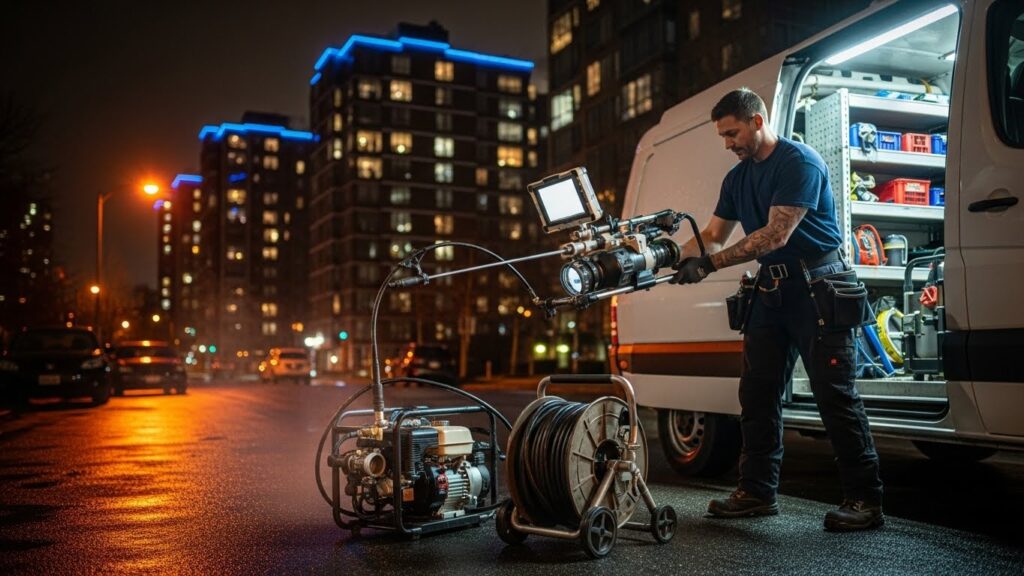
- Equipment: $250 (camera) + $350 (hydro-jetting)
- Parking/access fee: $25
- Total: ($325 × 2.5) + $250 + $350 + $25 = $1,437.50
These aren’t fixed prices, but they’re realistic templates. Ask companies to walk you through a similar breakdown before you approve work.
How to Save on Emergency Plumbing Costs
You can’t change the time of night, but you can control the conversation and the scope.
1) Stabilize First
- Shut off the fixture valve or the main water supply.
- Turn off power to an electric water heater before shutting its water supply.
- Move belongings, set towels, and place a bucket under drips.
2) Ask the Right Questions Upfront
- What’s your emergency hourly rate? Is there a one-hour minimum?
- Do you charge a call-out or diagnostic fee? Is it applied to the repair?
- Are there equipment fees (auger, camera, jetter)?
- How do you bill partial hours after the first hour?
- Do you provide a written estimate before work begins?
3) Get Photos and Approval
- Ask the tech to text or show photos of the issue before cutting or replacing.
- Request itemized parts costs. It promotes transparency.
4) Consider a Temporary Fix
- In some cases, a temporary cap or shut-off can buy time until business hours.
- Ask if a stopgap solution is safe and cheaper now, with a permanent fix tomorrow.
5) Memberships and Maintenance Plans
- Some companies offer members reduced emergency rates or waived fees.
- If the plan genuinely saves money over the next year, it’s worth it.
6) Prevent the Next Emergency
- Insulate exposed pipes, especially before freezes.
- Replace crusty shut-off valves and supply hoses proactively.
- Schedule annual water heater and drain maintenance.
When to Call Now vs. Wait Until Morning
Here’s a simple decision guide you can use under pressure.
Call now if:
- Water or sewage is actively flowing and you can’t stop it.
- There’s a risk of ceiling collapse or electrical contact with water.
- You have a single bathroom and the only toilet is clogged or leaking.
- Sewage backup is present or suspected.
Wait (after shutting off water) if:
- A slow drip from a faucet or under-sink line can be contained in a bucket.
- A running toilet that isn’t overflowing.
- A minor leak at a valve that stops when you shut off the fixture.
Before you decide, always shut off water. If you’re unsure, call and ask a dispatcher to triage; reputable companies will advise honestly.
Insurance, Warranties, and Payment Options
It’s not just about the rate it’s about who ultimately pays and what’s protected.
- Homeowners insurance: Usually covers sudden water damage to the structure and personal property, but not the plumbing repair itself. Document everything.
- Landlord/tenant: Check your lease. Landlords often handle structural and major system repairs.
- Home warranties: May cover certain failures, but emergency dispatch fees and limits apply.
- Credit and financing: Some companies offer financing for larger jobs (like sewer line repairs). Ask before work begins.
- Warranties: Good companies warranty their labor and parts. Clarify duration and what’s included.
Regional Rate Snapshots
Rates vary by market, cost of living, and demand.
- Large metros (e.g., New York, Los Angeles, San Francisco): $250–$400+ per hour for emergencies, higher on holidays.
- Mid-size cities (e.g., Denver, Charlotte, Minneapolis): $175–$300 per hour.
- Smaller towns/rural areas: $150–$225 per hour, but travel time may be added.
- Extreme weather regions: Freeze events and storms can temporarily spike rates due to surging demand.
Wherever you live, call two companies if you can spare 5 minutes. A quick comparison can save hundreds.
Frequently Asked Questions
How much do emergency plumbers charge per hour on average?
Most emergency plumbers charge between $150 and $400 per hour, depending on your city, timing, and complexity. Expect the higher end on weekends, holidays, or during severe weather.
Is there always a call-out fee for emergency plumbing?
Not always, but it’s common to see a $50–$200 call-out or diagnostic fee after-hours. Many companies apply the diagnostic fee to the repair if you proceed.
Do plumbers charge more at night and on holidays?
Yes. After-hours and holidays usually add a multiplier—often 1.5× to 2×—to standard rates. That reflects overtime pay, staffing, and demand.
Can I reduce the bill by doing a temporary fix and waiting?
If it’s safe, yes. Shutting off water and containing a small leak can let you wait until business hours. Ask the pro if a temporary cap or valve close is reasonable for the night.
What should be on a clear emergency plumbing invoice?
You should see the hourly rate, time on site, call-out/diagnostic fees, parts itemization, equipment charges, and taxes. Good invoices include warranty info and a brief description of work performed.
Conclusion: Know Your Numbers Before You Call
When water is where it shouldn’t be, clarity beats panic. You now know how much emergency plumbers charge per hour, what fees to expect, and how to push costs down without risking your home. Start with safety—shut off the water—then call and ask the right questions. A clear scope, a written estimate, and photos go a long way.
In the end, a fair emergency rate buys speed, skill, and peace of mind. And when you’re staring at a midnight leak, that’s worth a lot.
Call to Action
Need fast help or a comparison quote right now? Do this:
- Shut off the fixture or main water valve to stabilize the situation.
- Snap a couple of photos of the problem area.
- Call two local pros and ask for the emergency hourly rate, minimums, and any call-out or equipment fees.
- Choose the company that offers clear pricing, fast ETA, and a written estimate.
Want help preparing? Save this guide, then reach out to a trusted local plumber to set up preventive maintenance before the next emergency.
Suggested Resources and Links
- [LINK: Homeowners insurance and water damage basics -> https://www.iii.org/article/water-damage-and-insurance]
- [LINK: Typical plumbing costs overview -> https://www.homedepot.com/c/ab/average-plumbing-costs/9ba683603be9fa5395fab90ff69e3a2]
- [LINK: What a plumber does (Wikipedia) -> https://en.wikipedia.org/wiki/Plumber]
- [LINK: How to find and shut off your main water valve -> https://www.familyhandyman.com/project/how-to-shut-off-the-water-supply-to-a-house/]
- [LINK: Your site’s drain cleaning guide -> https://your-site.com/drain-cleaning-cost-guide]