
What Is Considered a Plumbing Problem?
Table of Contents
- [Introduction](#introduction)
- [Quick Definition: What Is Considered a Plumbing Problem?](#quick-definition-what-is-considered-a-plumbing-problem)
- [A Relatable Story: The Drip That Became a Flood](#a-relatable-story-the-drip-that-became-a-flood)
- [Signs You Have a Plumbing Problem](#signs-you-have-a-plumbing-problem)
- [Common Types of Plumbing Problems](#common-types-of-plumbing-problems)
- [Leaks and Drips](#leaks-and-drips)
- [Clogged Drains and Toilets](#clogged-drains-and-toilets)
- [Low Water Pressure](#low-water-pressure)
- [Running Toilets and Faulty Fixtures](#running-toilets-and-faulty-fixtures)
- [Water Heater Issues](#water-heater-issues)
- [Sewer Line and Backups](#sewer-line-and-backups)
- [Backflow and Cross-Connection Risks](#backflow-and-cross-connection-risks)
- [Burst Pipes and Frozen Lines](#burst-pipes-and-frozen-lines)
- [Gas Line Concerns](#gas-line-concerns)
- [Emergency vs. Routine Plumbing Problems](#emergency-vs-routine-plumbing-problems)
- [What Causes Plumbing Problems?](#what-causes-plumbing-problems)
- [DIY or Call a Pro? Smart Decision Guide](#diy-or-call-a-pro-smart-decision-guide)
- [Prevention: Simple Maintenance That Saves Money](#prevention-simple-maintenance-that-saves-money)
- [Costs, Insurance, and Warranties](#costs-insurance-and-warranties)
- [How Pros Diagnose and Fix Issues](#how-pros-diagnose-and-fix-issues)
- [Frequently Asked Questions About Plumbing Problems](#frequently-asked-questions-about-plumbing-problems)
- [Conclusion: Know the Signs, Act at the Right Time](#conclusion-know-the-signs-act-at-the-right-time)
- [Recommended Resources and Links](#recommended-resources-and-links)
- [Call to Action](#call-to-action)
Introduction
Wondering what is considered a plumbing problem? You’re not alone. Many homeowners aren’t sure which issues demand an immediate call and which can wait.
Here’s the truth. If water, drains, gas, or fixtures aren’t working as designed, you likely have a plumbing problem. Some are minor annoyances. Others can escalate fast and cause costly damage.
This guide breaks it down in plain English. You’ll learn the signs to watch for, when to call a pro, what you can fix yourself, and how to prevent trouble in the first place.
Quick Definition: What Is Considered a Plumbing Problem?
A plumbing problem is any issue that affects your water supply, drainage, gas lines, or plumbing fixtures. It includes leaks, clogs, poor water pressure, running toilets, water heater failures, sewer backups, and more.
If it changes how water or gas flows through your home, or threatens safety and property, it qualifies. When you’re asking, “What is considered a plumbing problem?” think about function and risk. Does it stop normal use? Could it cause damage? Could it affect health or safety?
Common examples include:
- Dripping faucets or leaky pipes
- Slow or clogged drains
- Toilets that run, rock, or leak
- Water heaters not heating properly
- Sewer odors, backups, or wet spots in the yard
- Burst pipes, frozen lines, or sudden water pressure loss
- Suspected gas leaks or appliance gas supply issues
A Relatable Story: The Drip That Became a Flood
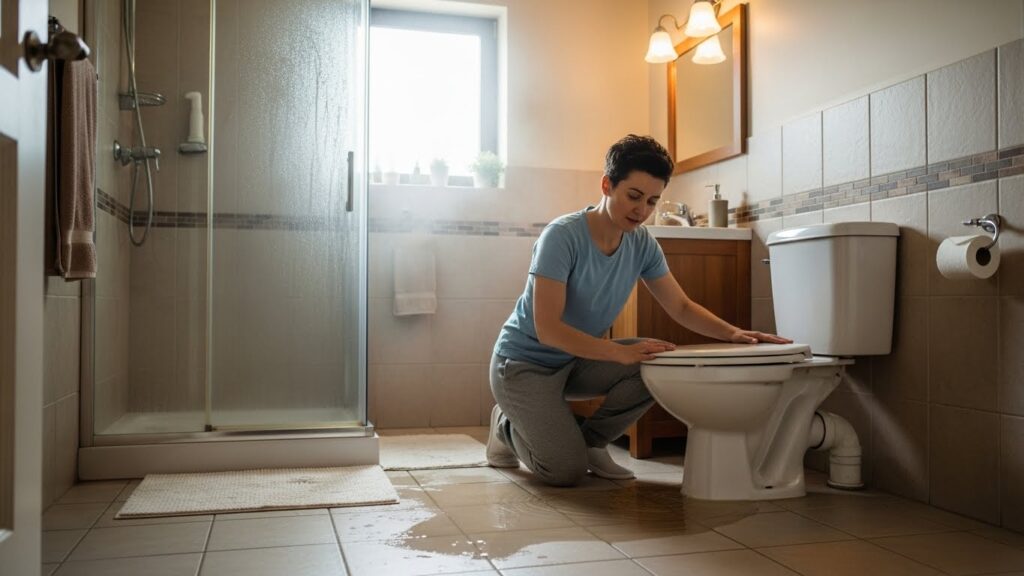
It started with a small drip. Sara heard it at night, a quiet tap from the bathroom sink. She planned to deal with it after the weekend. Life was busy, and the faucet still worked.
By Tuesday, the cabinet felt damp. She found a soft spot in the wood and a faint musty smell. The drip had grown into a thin stream, and the supply line under the sink was sweating.
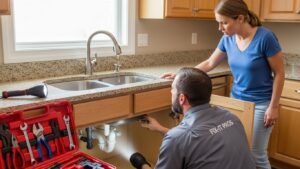
That evening, she opened the cabinet and saw a small puddle. It didn’t look scary. But when she squeezed a pipe connection, it turned into a spray. She panicked, grabbed a towel, and called a plumber. The pro arrived, shut off the water, and found a cracked gasket and a corroded valve.
The fix was quick and affordable. The cabinet? Not so much. Moisture had warped the base. Sara learned a simple lesson: in plumbing, small problems grow up fast. If you’re asking “What is considered a plumbing problem?”—it’s often anything you don’t fix soon.
Signs You Have a Plumbing Problem
Not every sign screams emergency, but each one matters. Watch for these:
- Water where it shouldn’t be: wet spots, stains, or swelling in walls, floors, or cabinets.
- Odd sounds: banging pipes (water hammer), whistling, gurgling drains, or constant tank refills.
- Water quality changes: rusty color, sediment, cloudy water, or unusual taste/odor.
- Pressure problems: trickling showers or sudden pressure spikes.
- Utility bill spikes: unexplained water or gas bill increases.
- Odors: sewer smell near drains, rotten egg scent from gas, or musty mold.
- Slow drains: sinks or tubs that drain like molasses, often accompanied by gurgling.
- Hot water inconsistency: lukewarm water, sudden temperature swings, or no hot water.
If you spot two or more at once, act quickly. Small clues often signal bigger issues building behind the walls.
Common Types of Plumbing Problems
Understanding the main categories helps you decide your next step fast.
Leaks and Drips
Leaks waste water and invite mold and rot. Even pinhole leaks can damage drywall and cabinets.
- Faucet drips: usually caused by worn cartridges, O-rings, or seats.
- Pipe leaks: from corrosion, high pressure, or poor joints; often hidden.
- Supply line failures: braided lines fail with age; replace at signs of bulging.
- Appliance leaks: dishwashers, fridges, and washing machines can leak at hoses or drains.
Quick tip: Place a dry paper towel under suspect pipes. Check it in a day. Any dampness means action is needed.
Clogged Drains and Toilets
Clogs happen in sinks, showers, tubs, and main lines. Hair, grease, food scraps, and wipes are common culprits.
- Sink clogs: often in the P-trap. Easy to clear with a drain snake.
- Shower/tub clogs: hair and soap scum; use a hair catcher.
- Toilet clogs: avoid flushing wipes, even “flushable” ones.
- Main line clogs: tree roots or heavy buildup; signs include multiple drains backing up.
Avoid harsh chemical drain cleaners. They can harm pipes and create toxic fumes. Enzyme cleaners or manual methods are safer.
Low Water Pressure
Low pressure makes showers frustrating and affects appliances. Causes vary from mineral buildup to hidden leaks.
- Aerator buildup: remove and soak in vinegar.
- Pressure regulator failure: reduces whole-home pressure; may need replacement.
- Pipe corrosion: older galvanized pipes narrow over time.
- Municipal issues: temporary city supply problems; check with neighbors.
If pressure dips suddenly throughout the house, it’s a red flag. Call a pro to find leaks or regulator issues.
Running Toilets and Faulty Fixtures
A running toilet wastes gallons each day. It’s usually a simple fix.
- Common causes: worn flapper, chain issues, or faulty fill valve.
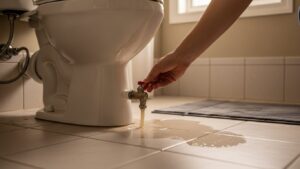
- Wobbly toilet: loose bolts or wax ring failure can cause leaks at the base.
- Dripping showers: cartridge or valve issues.
These problems seem small, but they can drive up bills and cause hidden water damage.
Water Heater Issues
Hot water troubles can range from mild to urgent.
- No hot water: pilot light out, faulty thermocouple, tripped breaker, or heating element failure.
- Inconsistent temp: sediment buildup or failing thermostat.
- Strange noises: popping from sediment; flushing helps.
- Leaks: tank leaks often mean replacement.
Tankless units can also scale up. Regular descaling keeps them efficient.
Sewer Line and Backups
Sewer problems are messy and risky. They can involve health hazards and property damage.
- Slow drains throughout the house: often a main line issue.
- Gurgling toilets: air trapped from partial blockage.
- Wastewater backups: immediate emergency; avoid contact and call a pro.
- Yard patches that are greener or soggy: possible underground leak.
When asking “What is considered a plumbing problem?” sewer line issues are at the top of the list.
Backflow and Cross-Connection Risks
Backflow sends contaminated water backward into clean lines. It’s a serious health risk.
- Causes: pressure changes or faulty backflow preventers.
- Signs: odd taste, discoloration, or boil water advisories.
- Solution: install and test backflow devices; schedule annual checks.
Backflow concerns often require licensed professionals by law.
Burst Pipes and Frozen Lines
Cold weather can freeze pipes. Ice expands and ruptures lines, causing major leaks when thawed.
- Signs: no water flow, frost on pipes, or damp spots after thaw.
- Prevention: insulate exposed pipes and let faucets drip in deep freezes.
- Response: shut off water at the main and call a pro.
This is a true emergency. Fast action limits damage.
Gas Line Concerns
Many plumbers handle gas lines. Gas leaks are dangerous and need immediate attention.
- Signs: rotten egg odor, hissing sound, or dizziness/nausea.
- Action: evacuate immediately, avoid switches, call your gas company and 911.
Never try to repair a gas line yourself. Safety first.
Emergency vs. Routine Plumbing Problems
Not every issue is an emergency. Knowing the difference reduces stress and costs.
What Counts as an Emergency
- Active leaks you can’t stop, especially near electrical.
- Sewer backups or wastewater on floors.
- Burst pipes or suspected frozen pipes ready to burst.
- No water supply to the home.
- Gas leak signs or carbon monoxide alarms.
- Water heater leaks that flood or risk scalding.
If there’s a risk to health, safety, or major property damage, it’s urgent.
What Can Usually Wait
- Dripping faucets, small leaks caught in a bucket.
- Low pressure at a single faucet.
- Slow drains that still move water.
- Toilet that runs but doesn’t overflow.
- Minor water heater temperature fluctuation.
Even non-urgent issues deserve attention soon. Acting early prevents bigger repairs.
What Causes Plumbing Problems?
Understanding root causes helps you prevent repeats.
- Age and wear: seals, washers, and valves degrade over time.
- Hard water: mineral scale clogs aerators and water heaters.
- Corrosion: older steel or galvanized pipes rust and narrow.
- High water pressure: stresses joints and fixtures; use a regulator.
- DIY mistakes: improper joints, over-tightening, or wrong materials.
- Tree roots: they invade sewer lines through tiny cracks.
- Seasonal shifts: freeze-thaw cycles cause expansion and leaks.
- Poor installation: shortcuts lead to leaks and uneven performance.
When you ask, “What is considered a plumbing problem?” remember cause and effect. Small causes create big outcomes if ignored.
DIY or Call a Pro? Smart Decision Guide
You can fix some issues safely. Others are better left to licensed pros.
DIY-Friendly Repairs
- Replace faucet aerators and showerheads.
- Clear simple clogs with a plunger or manual snake.
- Swap toilet flappers and fill valves.
- Re-seat under-sink traps; tighten slip nuts gently.
- Flush sediment from water heater if you’re comfortable and it’s safe.
Keep tools simple: plunger, adjustable wrench, basin wrench, plumber’s tape, bucket, and towels.
When to Call a Professional
- Whole-home low pressure or sudden changes.
- Recurring clogs or multiple drains backing up.
- Pipe leaks inside walls, ceilings, or slabs.
- Sewer odors, sewage backup, or yard sinkholes.
- Water heater leaks, error codes, or gas supply issues.
- Any gas line work or suspected leak.
- Backflow device installation or testing.
Pros bring diagnostic tools, permits, and code compliance. They also warranty the work, which saves you stress.
Safety First
- Shut off water before disassembling fixtures.
- Turn off power to electric water heaters before service.
- Wear gloves and eye protection.
- Never mix chemicals or use harsh drain cleaners.
- Don’t open gas lines—call your utility and a licensed pro.
Prevention: Simple Maintenance That Saves Money
A few small habits prevent most headaches.
Monthly
- Check under sinks for moisture and soft wood.
- Test each toilet: add a few drops of food coloring to the tank; color in the bowl means a leak.
- Clean drain stoppers and strainers.
- Listen for water hammer and fix loose pipe straps.
Seasonally
- Flush one bucket of hot water down the kitchen drain.
- Inspect washing machine hoses and replace if bulging or older than 5–7 years.
- Exercise water shutoff valves gently to keep them from seizing.
- Drain outdoor spigots before freezing weather.
Annually
- Flush the water heater to remove sediment.
- Inspect the pressure regulator and set to 50–60 psi.
- Schedule a plumbing inspection, especially in older homes.
- Test and service backflow preventers where required.
Little routines answer the question “What is considered a plumbing problem?” by keeping problems from forming in the first place.

Costs, Insurance, and Warranties
Money matters when deciding what to fix now vs. later.
Typical Cost Ranges (Estimates)
- Faucet repair: minor parts $50–$150; replacement $150–$400.
- Toilet repair: $100–$250; replacement $250–$600.
- Drain clearing: $125–$300 for simple clogs; main line $300–$800.
- Water heater repair: $150–$500; replacement $900–$2,500+ depending on type.
- Leak repair in walls: $250–$1,000+ plus drywall restoration.
Actual pricing varies by region, severity, and parts. Always ask for an itemized estimate.
Insurance Considerations
- Sudden and accidental water damage is often covered.
- Long-term leaks and neglect are usually not.
- Sewer backups may require a rider or special coverage.
- Document issues with photos and keep receipts.
Warranties
- Check manufacturer warranties for fixtures and heaters.
- Ask your plumber about labor warranties.
- Keep records; they help with future claims.
How Pros Diagnose and Fix Issues
Curious how plumbers find answers so fast? They use a mix of experience and tools.
Inspection Steps
- Ask detailed questions about symptoms and timing.
- Visual inspection of fixtures, valves, and exposed piping.
- Pressure and leak tests to confirm suspicions.
- Camera inspection for drains and sewer lines.
- Thermal imaging or moisture meters for hidden leaks.
Common Fixes
- Fixture replacement with matched parts for drip-free performance.
- Re-piping sections with copper, PEX, or PVC/CPVC as needed.
- Clearing drains with augers or hydro-jetting for heavy buildup.
- Water heater repairs: new elements, thermostats, or full replacement.
- Backflow device installation and certification.
Aftercare
Pros often advise simple maintenance and provide written reports. Keep these for your records—it boosts buyer confidence if you sell your home.
Frequently Asked Questions About Plumbing Problems
What is considered a plumbing problem in a house?
Any issue that disrupts normal water, drain, or gas function counts as a plumbing problem. Examples include leaks, clogs, low water pressure, running toilets, water heater failures, and sewer backups. If it risks damage, health, or safety, treat it as a real plumbing issue.
How do I know if a plumbing issue is an emergency?
If there’s active leaking you can’t stop, sewage in your home, a burst pipe, no water, or a gas leak, it’s an emergency. Shut off water or gas if safe, avoid electrical hazards, and call a professional immediately. Time matters in limiting damage.
Can I use chemical drain cleaners to fix clogs?
It’s better to avoid harsh chemical cleaners. They can damage pipes, create toxic fumes, and often provide only temporary relief. Use a plunger, a manual drain snake, or enzyme-based cleaners, and call a pro for recurring clogs or main line issues.
Why is my water bill high if I don’t see leaks?
Hidden leaks, running toilets, or irrigation issues can spike bills without obvious signs. Try a dye test in toilets, check your meter when all fixtures are off, and inspect outdoors. If the meter moves with everything off, you likely have a hidden leak.
When should I replace vs. repair a water heater?
If your tank water heater is over 10–12 years old and leaking, replacement is usually smarter. Frequent repairs, rust-colored water, or insufficient hot water also signal the end. Newer units that aren’t leaking may only need parts or maintenance.
Conclusion: Know the Signs, Act at the Right Time
Now you can answer, with confidence, what is considered a plumbing problem. It’s any issue that affects the safe, efficient flow of water or gas—or threatens your home. From small leaks to sewer backups, recognizing early signs saves money and stress.
Don’t wait for tiny drips to become floods. Build simple habits, call a pro when needed, and keep records. With a watchful eye and timely action, you’ll protect your home and peace of mind.
Recommended Resources and Links
- [LINK: Preventing frozen pipes -> https://www.energy.gov/energysaver/insulate-hot-water-pipes]
- [LINK: Water heating basics -> https://www.energy.gov/energysaver/water-heating]
- [LINK: Home plumbing maintenance tips -> https://www.hometips.com/repair-fix/plumbing-maintenance]
- [LINK: What is backflow? -> https://en.wikipedia.org/wiki/Backflow]
Call to Action
Need help diagnosing a tough issue or planning preventative maintenance? Contact a licensed local plumber today, get a clear estimate, and fix the problem before it grows. If you found this guide helpful, share it with a neighbor and bookmark it for quick reference the next time you wonder, “What is considered a plumbing problem?”