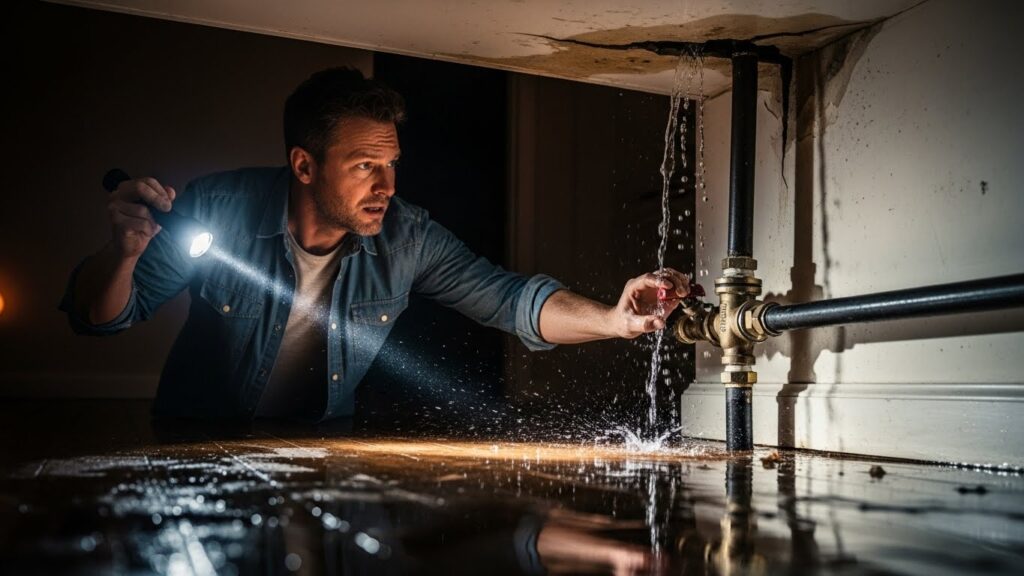
What Qualifies as a Plumbing Emergency?
When water is rushing, drains are backing up, or a pipe starts hissing, it’s hard to think clearly. Knowing what qualifies as a plumbing emergency helps you stay calm, protect your home, and call the right help fast. This guide walks you through exactly what’s urgent, what can wait, and the steps to take before the plumber arrives.
Table of Contents
- [What Is a Plumbing Emergency?](#what-is-a-plumbing-emergency)
- [Quick Story: The Midnight Drip That Became a Flood](#quick-story-the-midnight-drip-that-became-a-flood)
- [Common Situations That Are True Emergencies](#common-situations-that-are-true-emergencies)
- [Issues That Can Usually Wait Until Morning](#issues-that-can-usually-wait-until-morning)
- [How to Triage: A Simple Decision Checklist](#how-to-triage-a-simple-decision-checklist)
- [Immediate Steps To Take Before the Plumber Arrives](#immediate-steps-to-take-before-the-plumber-arrives)
- [When It’s Not a Plumbing Emergency: Save Money, Reduce Stress](#when-its-not-a-plumbing-emergency-save-money-reduce-stress)
- [Seasonal Factors: Frozen, Burst, and Storm-Related Problems](#seasonal-factors-frozen-burst-and-storm-related-problems)
- [Cost, Insurance, and Documentation Tips](#cost-insurance-and-documentation-tips)
- [Prevention: Maintenance That Avoids Emergencies](#prevention-maintenance-that-avoids-emergencies)
- [Frequently Asked Questions About Plumbing Emergencies](#frequently-asked-questions-about-plumbing-emergencies)
- [Conclusion: Trust Your Gut—and Act Fast When It Matters](#conclusion-trust-your-gutand-act-fast-when-it-matters)
- [Helpful Links and Resources](#helpful-links-and-resources)
What Is a Plumbing Emergency?
A plumbing emergency is any urgent situation where water, sewage, or gas is actively threatening your safety, property, or essential utilities. If there’s an immediate risk of major damage, contamination, or losing access to clean water, you’ve got an emergency.
Here’s the rule of thumb: if waiting will make the problem dramatically worse—or cause health and safety risks—call for emergency plumbing service. That includes burst pipes, sewage backups, major leaks you can’t control, gas smells, and total loss of water.
Now, some problems feel urgent but aren’t truly emergencies. A slow drip, a partially clogged sink, or a toilet that still works with a plunger can usually wait. The goal is to separate panic from priority, so you protect your home without overspending on after-hours service.
Quick Story: The Midnight Drip That Became a Flood
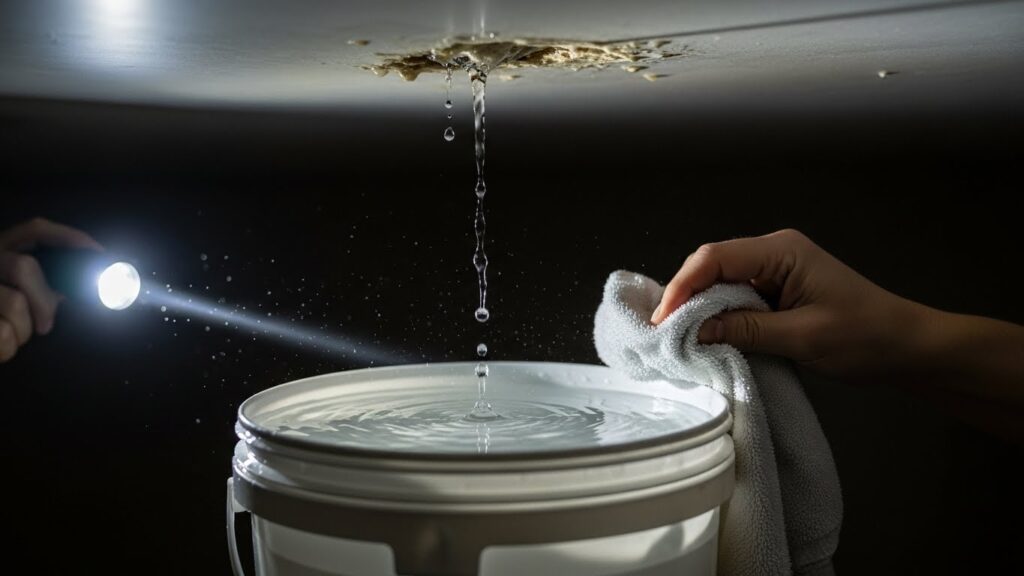
You hear it at 1:13 a.m.—a soft drip you can’t unhear. You shuffle to the hallway and notice a tiny water stain spreading across the ceiling. It looks harmless, but your toes feel a cold, damp spot on the floor. Something’s off.
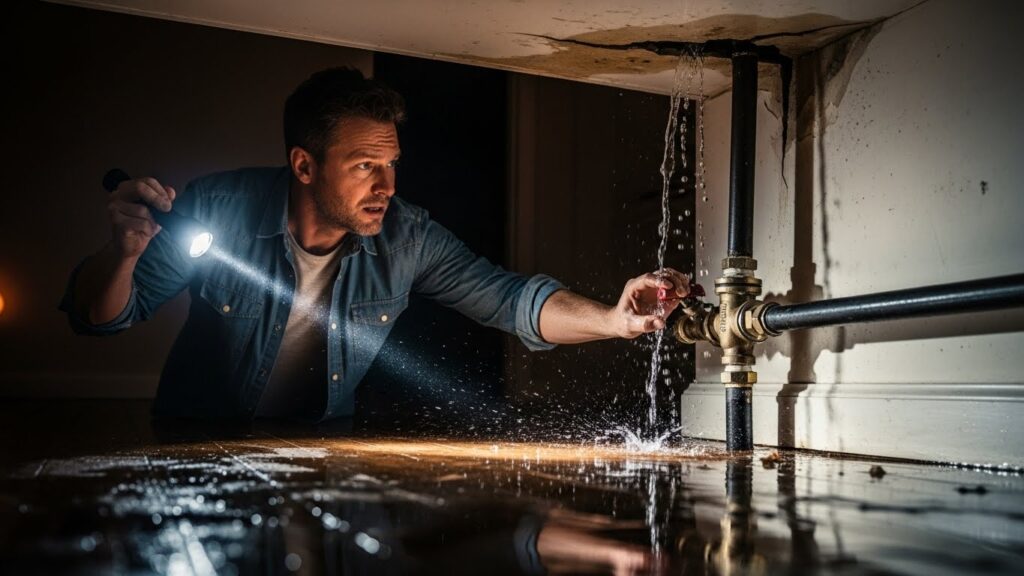
You grab a flashlight and a bucket. The drip becomes a trickle. Five minutes later, it’s a steady stream. You remember the main shutoff valve is in the basement. Heart racing, you jog downstairs, twist the valve, and the stream softens to a drip again. Crisis controlled—sort of.
The next morning, the plumber finds a cracked pipe elbow behind the bath. If you’d waited, the ceiling could’ve collapsed. Because you acted fast—shut off water, contained the leak, called early—you avoided thousands in repairs. That “tiny drip” really was a plumbing emergency in hiding, and you handled it like a pro.
Common Situations That Are True Emergencies
Not all plumbing problems are created equal. These scenarios usually qualify as real plumbing emergencies and deserve immediate attention.
1) Burst Pipes or Uncontrolled Leaks
If a pipe bursts or a supply line fails, water can spread fast. Minutes matter. This can damage floors, walls, and electrical systems. Shut off the water immediately and call an emergency plumber.
Signs:
- Loud pop or sudden pressure drop
- Rapid pooling water or ceiling bulge
- Hissing, spraying, or “white noise” behind walls
2) Sewage Backups and Overflow
Sewage coming up through drains or toilets is a health hazard. It carries bacteria and can contaminate floors and surfaces. Stop using water in the house, avoid the area, and call for emergency service.
Warnings:
- Gurgling drains with foul odor
- Multiple fixtures backing up at once
- Wastewater rising in a tub or floor drain
3) No Water to the Entire Home
A total loss of water can be an emergency, especially in extreme weather or when you need water for health reasons. A broken main, city-side issue, or frozen pipe could be the cause. Check with neighbors and your utility, then call a plumber if it’s on your side of the meter.
4) Gas Smell or Suspected Gas Leak (If Your Plumber Handles Gas)
If you smell rotten eggs or hear a hiss near gas lines, exit the building immediately. Don’t use electronics or switches. Call your gas provider or emergency services first, then a qualified plumber if they service gas lines. Safety first—always.
5) Water Heater Leaks or Dangerous Malfunctions
A leaking water heater can flood quickly. If you hear rumbling, see rust-colored water, or feel extreme heat near the tank, turn off the power or gas and water supply. Call an emergency plumber. In rare cases, pressure issues can be dangerous.
6) Frozen Pipes at Risk of Bursting
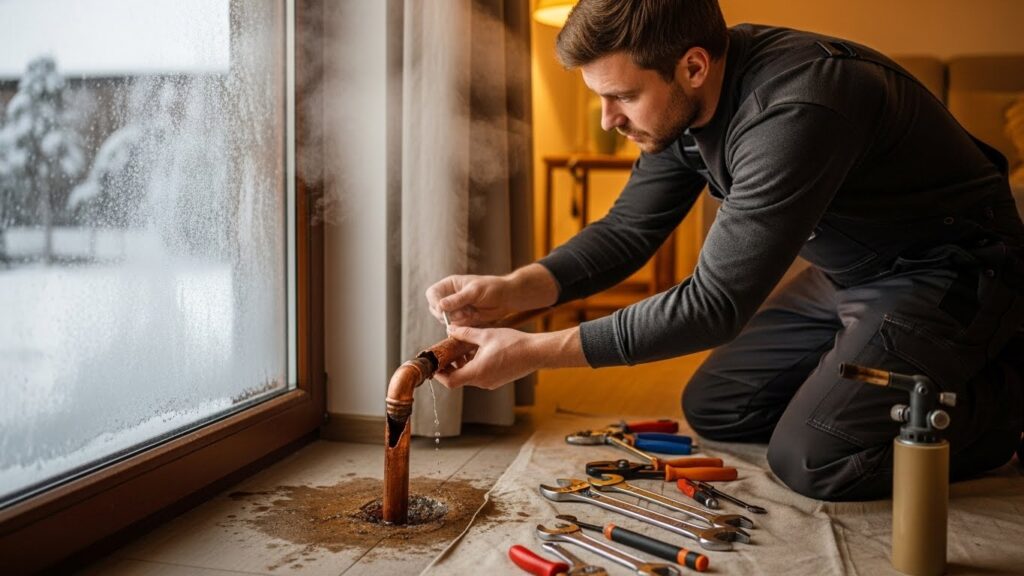
If your pipes are frozen and you can’t get water, you’re at risk of bursts as the ice expands. Don’t force the faucet. Shut off the main if you hear cracking, and call a pro. Thawing must be controlled to prevent ruptures.
7) Active Slab Leak or Rapidly Spreading Damp Areas
Warm spots on floors, persistent running water sounds, or rising water bills can signal a slab leak. If you see water spreading or feel soft flooring, treat it as urgent.
Issues That Can Usually Wait Until Morning
Some problems are annoying but not instantly damaging. If you can contain them, you’ll often save money by scheduling standard-hours service.
- Slow drains in a single sink or tub (no sewage odors)
- Dripping faucets or minor toilet leaks you can stop with a shutoff valve
- A toilet that clogs but can be plunged and used cautiously
- Low water pressure affecting one faucet only
- Dishwasher or washer drain errors without flooding
If the issue is isolated and you can still use essential fixtures safely, it’s likely not a true plumbing emergency. Still, don’t ignore it—small issues grow.
How to Triage: A Simple Decision Checklist
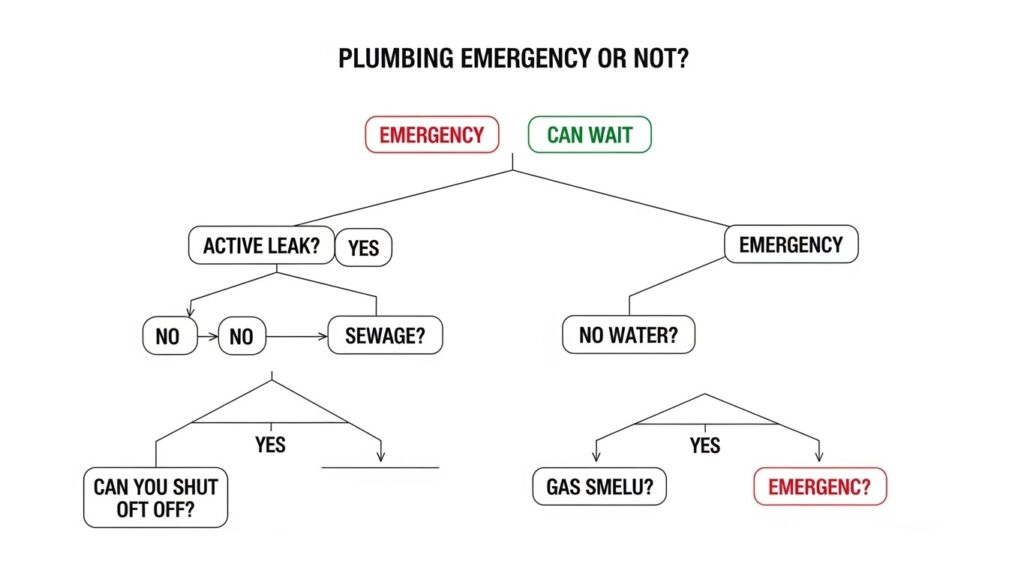
When in doubt, run through this quick test. If you answer “yes” to any of the first three questions, you likely have a plumbing emergency.
1) Is water or sewage actively escaping in a way that you can’t fully stop?
2) Is there a clear risk to health or safety (contamination, gas smell, electrical hazards)?
3) Will waiting even a few hours cause major property damage or total loss of service?
4) Have you shut off water to the problem fixture or the main valve and still can’t control it?
5) Is the problem affecting multiple fixtures or the entire home?
If your answers are mostly “no,” you probably can schedule a non-urgent appointment. Take photos, place towels or buckets, and monitor the situation.
Immediate Steps To Take Before the Plumber Arrives
Acting quickly can turn a disaster into a hiccup. Here’s your simple playbook.
Shut Off the Water
- For fixture-specific leaks (toilet, sink, washer), turn the local shutoff valve clockwise.
- For whole-home issues, locate and close the main water shutoff. It’s often in the basement, garage, crawlspace, or an outdoor meter box.
Kill Power If There’s Water Near Outlets or Appliances
Water and electricity don’t mix. If you see water near outlets or appliances, switch off power to the affected area at the breaker panel. Stay safe.
Contain and Document
- Place buckets, towels, and plastic sheeting to catch drips.
- Move rugs, electronics, and valuables.
- Take photos and short videos for insurance and the plumber’s reference.
Avoid Using Other Fixtures During Backups
During a sewage backup or drain issue, don’t run water elsewhere. Extra water can worsen the backup and spread contamination.
Reduce Pressure and Thaw Safely
For suspected frozen pipes, slightly open faucets to relieve pressure. Never use open flames to thaw lines. A hairdryer or space heater at a safe distance can help while you wait—but call a pro.
Know What to Tell the Plumber
Give concise details:
- What you see and hear (e.g., “water spraying from ceiling near bathroom”)
- When it started and whether it’s getting worse
- What you’ve shut off and where
- Any odors (gas, sewage) or electrical concerns
When It’s Not a Plumbing Emergency: Save Money, Reduce Stress
Overnight or weekend service usually costs more. If you can safely wait, do. Here’s how to decide.
- You’ve stopped the water fully with a local or main shutoff.
- The problem is confined to one fixture and there’s no contamination.
- You have a safe workaround (a second bathroom or sink).
- There’s no risk of freeze, burst, mold growth, or electrical issues.
While you wait, write down model numbers (toilets, faucets, water heater), clear access to the work area, and list symptoms. This helps the plumber arrive prepared—saving time and money.
Seasonal Factors: Frozen, Burst, and Storm-Related Problems
Weather can turn minor issues into major ones quickly. Plan ahead.
Winter: Frozen and Burst Pipes
- Insulate exposed pipes in basements, attics, and crawlspaces.
- Keep cabinet doors open under sinks to let warm air circulate.
- During deep freezes, let a trickle of warm water run on vulnerable lines.
- If pipes freeze, shut off the main if you hear cracking and call for help.
Spring: Heavy Rains and Sump Pump Failures
- Test your sump pump before storms by filling the pit with water.
- Consider a battery backup pump.
- A failed pump during a storm can be an emergency if water threatens the foundation.
Summer: Irrigation and Outdoor Line Leaks
- Watch for soggy patches or unusually high water bills.
- Outdoor leaks can erode soil and damage foundations if severe.
Fall: Gutter and Drain Prep
- Clear gutters and downspouts to prevent basement backups.
- Inspect outside hose bibs and shut them off before first freeze.
Cost, Insurance, and Documentation Tips
Emergency calls often carry premium rates. That’s fair—it’s after hours, urgent, and resource-intensive. Still, you can control costs with smart steps.
- Ask for an estimated arrival window and a ballpark diagnostic fee.
- Request transparent pricing for parts and labor before work begins.
- Keep photos and receipts for potential insurance claims.
Home Insurance Considerations
- Sudden and accidental water damage (like a burst pipe) is often covered, but pre-existing leaks usually aren’t.
- Sewage backups may require a specific policy rider.
- Document the event: when you noticed it, what you did, and immediate mitigation steps.
Mitigation Matters
Insurers may ask what you did to reduce damage:
- Shut off water immediately
- Contained the leak
- Called a licensed professional
- Used fans or dehumidifiers to start drying
Prevention: Maintenance That Avoids Emergencies
The best plumbing emergency is the one that never happens. A few low-effort habits go a long way.
Annual or Semi-Annual Checks
- Inspect hoses on washing machines, dishwashers, and ice makers.
- Flush water heaters to reduce sediment and improve efficiency.
- Test sump pumps and check backflow devices.
- Look for slow leaks under sinks and around toilets.
Know Your System
- Find your main water shutoff and label it clearly.
- Learn the location of cleanouts for sewer access.
- Keep a basic kit: flashlight, towels, plumber’s tape, bucket, and a quality plunger.
Be Kind to Your Drains
- No grease, oils, or coffee grounds down the sink.
- Use strainers to catch hair and debris.
- Flush only toilet paper—no wipes, even “flushable” ones.
Upgrade at the Right Time
- Replace old supply lines with braided stainless steel.
- Install smart leak detectors near water heaters and under sinks.
- Consider pressure regulators if your home has high water pressure.
Frequently Asked Questions About Plumbing Emergencies
Is a clogged toilet a plumbing emergency?
Usually, no—if it’s just one toilet and a plunger solves it. It becomes a plumbing emergency if waste backs up from multiple fixtures, there’s sewage odor, or you can’t stop an overflow.
My water heater is leaking—do I need an emergency plumber?
Small drips from the drain valve may wait a few hours if you can catch them and shut off the cold supply. But steady leaks, overheating, rumbling noises, or water pooling fast qualify as a plumbing emergency.
What should I do first during a burst pipe?
Turn off the main water shutoff immediately. Then cut power to affected areas if water is near outlets, contain the leak with buckets and towels, and call an emergency plumber.
Who do I call for a gas smell—plumber or gas company?
If you smell gas, leave the building and call your gas utility or emergency services first. Many licensed plumbers handle repairs after the area is made safe by the utility.
Is no running water an emergency?
If your entire home has no water, yes—especially in extreme temperatures or if you have special health needs. Check with neighbors or your utility to rule out an area outage, then call a plumber if the issue is on your side.
Conclusion: Trust Your Gut—and Act Fast When It Matters
When you’re unsure what qualifies as a plumbing emergency, remember this: if it endangers your safety, risks major damage, or shuts down essential water service, treat it as urgent. Shut off water, stay safe, document the situation, and call a professional. A calm, quick response can save thousands—and your peace of mind.
If it’s contained and safe, schedule standard service and use the tips above to prepare. Either way, you’ve got this.
Call to Action
Need fast, trustworthy help? Don’t wait while water spreads. Call your local licensed emergency plumber now. Save this guide, label your shutoff valves today, and share it with a neighbor—you might be the reason their “small drip” never becomes a flood.
Helpful Links and Resources
- [LINK: EPA tips on household leaks -> https://www.epa.gov/watersense/fix-leak-week]
- [LINK: Red Cross guidance on flooding safety -> https://www.redcross.org/get-help/how-to-prepare-for-emergencies/types-of-emergencies/flood.html]
- [LINK: How to find and use your main water shutoff -> https://www.familyhandyman.com/project/how-to-shut-off-the-water-supply-to-a-fixture-or-your-house/]
- [LINK: Preventing frozen pipes in winter -> https://www.ready.gov/winter-weather]
- [LINK: Why you should install smart leak detectors -> https://www.consumerreports.org/home-safety/water-leak-detectors-review-a9463375363/]